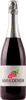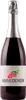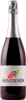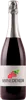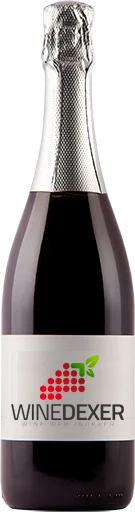
Winery TerraQuiliaFalconero Zero
 Sparkling wine



This wine generally goes well with pork, poultry or rich fish (salmon, tuna etc).

Wine flavors and olphactive analysis


On the nose the Falconero Zero of Winery TerraQuilia in the region of Emilia-Romagna often reveals types of flavors of non oak, earth or red fruit and sometimes also flavors of black fruit.
Food and wine pairings with Falconero Zero
Pairings that work perfectly with Falconero Zero



Original food and wine pairings with Falconero Zero


The Falconero Zero of Winery TerraQuilia matches generally quite well with dishes of pork, rich fish (salmon, tuna etc) or mature and hard cheese such as recipes of white cabbage with bacon, leek and salmon lasagna or halibut with flambéed comté.
Details and technical informations about Winery TerraQuilia's Falconero Zero.
Discover the grape variety: Trousseau
Supple and fruity reds with a clear ruby colour, fine tannins and fresh acidity, on aromas of red cherry, wild strawberry, raspberry, sweet spices, dried flowers and earthy notes. Elegant palate, taut finish. Star of Jura appellations (Arbois AOC, Côtes du Jura AOC), notably on the gravelly terroirs of Montigny-lès-Arsures. Also planted in California and Portugal as Bastardo (one of Port's five noble grapes). Native Jura variety.
Last vintages of this wine
The best vintages of Falconero Zero from Winery TerraQuilia are 2017, 2018, 0, 2016
Informations about the Winery TerraQuilia
The Winery TerraQuilia is one of of the world's greatest estates. It offers 25 wines for sale in the of Emilia-Romagna to come and discover on site or to buy online.

The wine region of Emilia-Romagna
Kingdom of Lambrusco: fresh, fruity sparkling reds (blackberry, cherry, violet), from gourmet dry to convivial off-dry, perfect with local charcuterie. World's best-selling sparkling wine on the Emilia side (Sorbara, Grasparossa, Salamino). East, Romagna: supple fruity Sangiovese, Albana (Italy's 1st white DOCG, 1987) ample and almondy. Also red Gutturnio and white Pignoletto.
The word of the wine: Acescence
An alteration in wine also known as pitting (hence the expression piqué wine), due to the presence of acetic acid and ethyl acetate, and characterized by a vinegar-like odor.