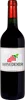
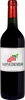
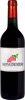
Winery Terra di BrisighellaL'Impronta dei Gessi Rosso
 Red wine


In the mouth this red wine is a powerful.
This wine generally goes well with beef, game (deer, venison) or lamb.

Taste structure of the L'Impronta dei Gessi Rosso from the Winery Terra di Brisighella
Light | Bold | |
Smooth | Tannic | |
Dry | Sweet | |
Soft | Acidic |
In the mouth the L'Impronta dei Gessi Rosso of Winery Terra di Brisighella in the region of Emilia-Romagna is a powerful.
Food and wine pairings with L'Impronta dei Gessi Rosso
Pairings that work perfectly with L'Impronta dei Gessi Rosso



Original food and wine pairings with L'Impronta dei Gessi Rosso

The L'Impronta dei Gessi Rosso of Winery Terra di Brisighella matches generally quite well with dishes of beef, pasta or lamb such as recipes of feijoada ( portuguese cassoulet ), spaghetti with old-fashioned tomato sauce or lamb chops with figs and honey.
Details and technical informations about Winery Terra di Brisighella's L'Impronta dei Gessi Rosso.
Discover the grape variety: Garganega
Structured, aromatic whites with a round palate and fresh acidity, with aromas of fresh almond, white flowers, yellow apple, pear, citrus and volcanic mineral notes. Typical bitter almond finish. Made as noble dry whites (Soave Classico DOC, Soave Superiore DOCG) and sumptuous passito dessert wines (Recioto di Soave DOCG). Also in Gambellara DOC. Native Venetian variety from the volcanic hills south-east of Verona.
Last vintages of this wine
The best vintages of L'Impronta dei Gessi Rosso from Winery Terra di Brisighella are 0
Informations about the Winery Terra di Brisighella
The Winery Terra di Brisighella is one of of the world's greatest estates. It offers 13 wines for sale in the of Emilia-Romagna to come and discover on site or to buy online.

The wine region of Emilia-Romagna
Kingdom of Lambrusco: fresh, fruity sparkling reds (blackberry, cherry, violet), from gourmet dry to convivial off-dry, perfect with local charcuterie. World's best-selling sparkling wine on the Emilia side (Sorbara, Grasparossa, Salamino). East, Romagna: supple fruity Sangiovese, Albana (Italy's 1st white DOCG, 1987) ample and almondy. Also red Gutturnio and white Pignoletto.
The word of the wine: Young
A very relative term that can designate a wine of the year that is already at its optimum, as well as a wine that has passed its first year but has not yet developed all its qualities.