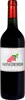
Winery Tenute VarvariSyrah
 Red wine



In the mouth this red wine is a powerful.
This wine generally goes well with beef, lamb or pasta.

Taste structure of the Syrah from the Winery Tenute Varvari
Light | Bold | |
Smooth | Tannic | |
Dry | Sweet | |
Soft | Acidic |
In the mouth the Syrah of Winery Tenute Varvari in the region of Sicily is a powerful.
Food and wine pairings with Syrah
Pairings that work perfectly with Syrah



Original food and wine pairings with Syrah
The Syrah of Winery Tenute Varvari matches generally quite well with dishes of beef, pasta or lamb such as recipes of shepherd's pie (quebec!), wok of chinese noodles with vegetables or purple leg of lamb with red wine and cranberries.
Details and technical informations about Winery Tenute Varvari's Syrah.
Discover the grape variety: Cortese
Lively, structured whites with firm acidity and a slender mouth, featuring aromas of citrus (lemon, grapefruit), green apple, white flowers, fresh almond and chalky mineral notes. Typically saline finish. The absolute star of Gavi DOCG (Cortese di Gavi), one of Italy's great whites, also made as sparkling wines and aged cuvées. Present in Colli Tortonesi DOC and Lombardy. Native Piedmontese grape from the southeast, with a long tradition of noble whites.
Last vintages of this wine
The best vintages of Syrah from Winery Tenute Varvari are 2016, 2018, 2019, 2014 and 2013.
Informations about the Winery Tenute Varvari
The Winery Tenute Varvari is one of of the world's greatest estates. It offers 8 wines for sale in the of Sicily to come and discover on site or to buy online.

The wine region of Sicily
Major qualitative renewal. Sunny, expressive reds: fleshy, spicy Nero d'Avola (black cherry, blackberry, liquorice), fine, mineral Nerello Mascalese on Etna (recalls Pinot Noir), light, crisp Frappato in Cerasuolo di Vittoria DOCG. Lively, saline whites: Catarratto, fat, iodised Grillo, taut Carricante, floral Inzolia. Amber, walnutty fortified Marsala.
The word of the wine: Faded
Said of a wine that has lost its brilliance and depth. It can also be used to describe the nose of an old wine that has lost its aromatic freshness.