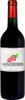
Winery Ten SpoonRocky Mountain Red
 Red wine


This wine generally goes well with
The Rocky Mountain Red of the Winery Ten Spoon is in the top 10 of wines of Montana.

Details and technical informations about Winery Ten Spoon's Rocky Mountain Red.
Discover the grape variety: Tinta negra mole
Dry, medium-dry, medium-sweet and sweet fortified Madeira wines, with an amber to mahogany hue, ample, oxidative palate and aromas of dried fruits (fig, walnut), caramel, coffee, spices and maderised rancio notes. Embodies the modern identity of the Madeira DOP appellation, accounting for over 80% of commercially sold Madeira. Portuguese black grape, the most planted on Madeira island, productive and adaptable.
Last vintages of this wine
The best vintages of Rocky Mountain Red from Winery Ten Spoon are 0
Informations about the Winery Ten Spoon
The Winery Ten Spoon is one of of the world's greatest estates. It offers 23 wines for sale in the of Montana to come and discover on site or to buy online.

The wine region of Montana
Pioneer vineyard of the American Rockies with extreme continental climate (USDA zones 3–4), short seasons and harsh winters requiring cold-hardy varieties. Marquette is the signature red (52%): fruity with cherry, plum and a spiced hint, supple tannins. Frontenac and Petite Pearl as fleshy complements. Frontenac Gris, St.
The word of the wine: Reserve wine (champagne)
Older wines, kept in vats or aged in wood in some houses, or kept in magnums at Bollinger. A small percentage of these wines are used in the blending of non-vintage wines in order to bring greater aromatic complexity.