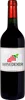
Winery St GisbertusSpätburgunder Trocken
 Red wine


In the mouth this red wine is a with a nice freshness.
This wine generally goes well with poultry, beef or veal.

Taste structure of the Spätburgunder Trocken from the Winery St Gisbertus
Light | Bold | |
Smooth | Tannic | |
Dry | Sweet | |
Soft | Acidic |
In the mouth the Spätburgunder Trocken of Winery St Gisbertus in the region of Pfalz is a with a nice freshness.
Food and wine pairings with Spätburgunder Trocken
Pairings that work perfectly with Spätburgunder Trocken



Original food and wine pairings with Spätburgunder Trocken

The Spätburgunder Trocken of Winery St Gisbertus matches generally quite well with dishes of beef, veal or game (deer, venison) such as recipes of scottish haggis, stuffed veal breast or veal blanquette à l'ancienne.
Details and technical informations about Winery St Gisbertus's Spätburgunder Trocken.
Discover the grape variety: Feteasca Alba
Expressive aromatic whites in dry, semi-dry, sweet and liqueur styles; pale golden to amber hue depending on vinification; ample body and fresh acidity; discreet muscat signature with white flowers (acacia), white-fleshed fruits (peach) and honeyed notes. Star of Cotnari DOC, a historic sweet liqueur wine from Moldavia. Native Romanian white grape, one of the oldest and most widely planted varieties in the country.
Last vintages of this wine
The best vintages of Spätburgunder Trocken from Winery St Gisbertus are 0
Informations about the Winery St Gisbertus
The Winery St Gisbertus is one of of the world's great estates. It offers 15 wines for sale in the of Pfalz to come and discover on site or to buy online.

The wine region of Pfalz
Fleshy, dry, fruity Riesling is the region's signature: yellow peach, apricot, ripe citrus, lovely mineral tension. Germany's largest red-wine area (40%), with silky Spätburgunder showing red fruit and spice, darker structured Dornfelder, supple Portugieser. Some rounded Pinot Blanc and Pinot Gris. A 23,640 ha vineyard along the Haardt, among Germany's warmest (>2,000 h of sun).
The word of the wine: Drawing (liqueur de)
In champagne and sparkling wines of traditional method, addition to the wine, at the time of bottling (tirage) of sugars and yeasts dissolved in wine. These components will provoke the second fermentation in the bottle leading to the formation of carbon dioxide bubbles.