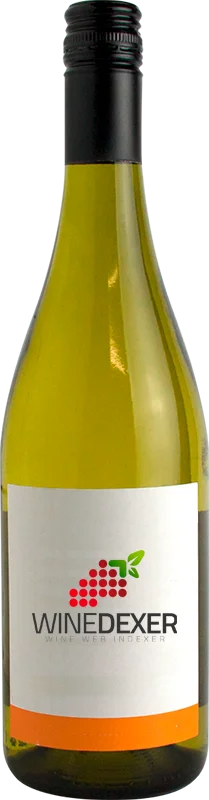
Winery SettesoliCostadune Inzolia
 White wine


In the mouth this white wine is a powerful.
This wine generally goes well with vegetarian, appetizers and snacks or shellfish.

Taste structure of the Costadune Inzolia from the Winery Settesoli
Light | Bold | |
Dry | Sweet | |
Soft | Acidic |
In the mouth the Costadune Inzolia of Winery Settesoli in the region of Sicily is a powerful.
Food and wine pairings with Costadune Inzolia
Pairings that work perfectly with Costadune Inzolia



Original food and wine pairings with Costadune Inzolia
The Costadune Inzolia of Winery Settesoli matches generally quite well with dishes of shellfish, vegetarian or appetizers and snacks such as recipes of tagliatelle with seafood and saffron cream, spinach and goat cheese quiche or pizza-style appetizer croissants.
Details and technical informations about Winery Settesoli's Costadune Inzolia.
Discover the grape variety: Ravat 51
Aromatic and lively whites and sweet wines with a deep golden robe, an ample palate, with signature muscat aromas, white flowers, apricot, honey and candied citrus notes. Also as late-harvest and icewines. Grown mainly in the north-eastern United States and Canada for rigorous continental climates. French grey hybrid obtained by Jean-François Ravat in the early 20th century, also known as Vignoles in the United States.
Last vintages of this wine
The best vintages of Costadune Inzolia from Winery Settesoli are 2016, 0
Informations about the Winery Settesoli
The Winery Settesoli is one of of the world's great estates. It offers 89 wines for sale in the of Sicily to come and discover on site or to buy online.

The wine region of Sicily
Major qualitative renewal. Sunny, expressive reds: fleshy, spicy Nero d'Avola (black cherry, blackberry, liquorice), fine, mineral Nerello Mascalese on Etna (recalls Pinot Noir), light, crisp Frappato in Cerasuolo di Vittoria DOCG. Lively, saline whites: Catarratto, fat, iodised Grillo, taut Carricante, floral Inzolia. Amber, walnutty fortified Marsala.
The word of the wine: Phylloxera
Aphid that came from America and ravaged European vineyards at the end of the 19th century. It lives on the roots of the vine, from which it pumps the sap. The only vines capable of resisting it had to be imported from the United States, and then grafted onto their root system the wood of traditional French grape varieties. Today, grafted vines are always planted.