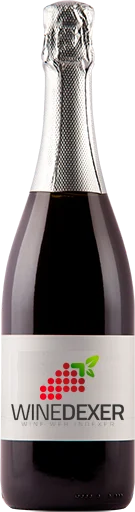
Winery Schloss AffaltrachProsecco Frizzante Trocken
 Sparkling wine
This wine generally goes well with appetizers and snacks, rich fish (salmon, tuna etc) or shellfish.

Food and wine pairings with Prosecco Frizzante Trocken
Pairings that work perfectly with Prosecco Frizzante Trocken



Original food and wine pairings with Prosecco Frizzante Trocken


The Prosecco Frizzante Trocken of Winery Schloss Affaltrach matches generally quite well with dishes of rich fish (salmon, tuna etc), shellfish or mature and hard cheese such as recipes of parillade of fish and seafood, spaghetti with clams or chard with meat and mustard.
Details and technical informations about Winery Schloss Affaltrach's Prosecco Frizzante Trocken.
Discover the grape variety: Petite Arvine
Structured, aromatic dry and sweet whites with a pale golden color, ample palate and preserved acidity, with signature aromas of citrus (grapefruit), rhubarb, white flowers (wisteria), exotic fruits (passion fruit) and characteristic saline notes on the finish. Fine cellaring potential, dry and late-harvest styles. Star of great Valais whites (Vétroz, Sion, Fully, Chamoson). Swiss indigenous variety from the Valais.
Informations about the Winery Schloss Affaltrach
The Winery Schloss Affaltrach is one of of the world's great estates. It offers 89 wines for sale in the of Württemberg to come and discover on site or to buy online.

The wine region of Württemberg
Rare predominantly red region in Germany (nearly 70%). Supple, fruity everyday reds: light, crisp Trollinger (Schiava) with red fruits, more structured, spicy, deep Lemberger (Blaufränkisch), generous Schwarzriesling (Pinot Meunier). Riesling king of whites (>2,000 ha), lively and mineral, citrus and green apple. Germany's 4th region (11,500 ha) on the Neckar slopes around Heilbronn and Stuttgart.
The word of the wine: OIV
International Organisation of Vine and Wine. Intergovernmental organization studying the technical, scientific or economic questions raised by the culture of the vine and the production of wine.