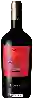
Winery ScarpettaFrico Frizzante
 Sparkling wine



This wine is composed of 100% of the grape variety Chardonnay.
This wine generally goes well with beef, lamb or goat cheese.

Wine flavors and olphactive analysis



On the nose the Frico Frizzante of Winery Scarpetta in the region of Veneto often reveals types of flavors of microbio, vegetal or tree fruit and sometimes also flavors of citrus fruit.
Food and wine pairings with Frico Frizzante
Pairings that work perfectly with Frico Frizzante



Original food and wine pairings with Frico Frizzante
The Frico Frizzante of Winery Scarpetta matches generally quite well with dishes of beef, lamb or goat cheese such as recipes of empanadas de carne (argentina), tajine of mutton or pan-fried courgette, tomatoes and goat's cheese.
Details and technical informations about Winery Scarpetta's Frico Frizzante.
Discover the grape variety: Zinfandel
Generous, high-alcohol reds with a dark robe and indulgent palate, showing aromas of stewed blackberry, raspberry, black pepper, liquorice, cinnamon and cooked fruit. Also vinified as a popular sweet rosé (White Zinfandel). Star of California (Lodi, Sonoma, Dry Creek Valley, Paso Robles) with sought-after century-old vines. Identical to Italian Primitivo and Croatian Crljenak Kaštelanski by DNA analysis.
Last vintages of this wine
The best vintages of Frico Frizzante from Winery Scarpetta are 0
Informations about the Winery Scarpetta
The Winery Scarpetta is one of of the world's great estates. It offers 16 wines for sale in the of Veneto to come and discover on site or to buy online.

The wine region of Veneto
World star of Prosecco: fresh, light Glera sparklers with notes of pear, green apple and white flowers, fruity, convivial bubbles. Veronese reds from Corvina and Rondinella: light, crisp Bardolino, fruity Valpolicella, opulent, concentrated Amarone DOCG (black cherry, chocolate, raisin) from dried grapes. Mineral, almondy Soave (Garganega) whites, fresh Pinot Grigio. 97,500 ha, Italy's largest production.
The word of the wine: Flowable
A supple, easy-drinking wine with little consistency in the mouth.