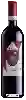
Winery SartoriGutturnio
 Red wine



In the mouth this red wine is a .
This wine generally goes well with poultry, beef or veal.

Taste structure of the Gutturnio from the Winery Sartori
Light | Bold | |
Smooth | Tannic | |
Dry | Sweet | |
Soft | Acidic |
In the mouth the Gutturnio of Winery Sartori in the region of Emilia-Romagna is a .
Food and wine pairings with Gutturnio
Pairings that work perfectly with Gutturnio



Original food and wine pairings with Gutturnio

The Gutturnio of Winery Sartori matches generally quite well with dishes of beef, pasta or veal such as recipes of rosbeef casserole mamie, spaghetti with clams or veal tagine with prunes.
Details and technical informations about Winery Sartori's Gutturnio.
Discover the grape variety: Ondenc
Structured, aromatic dry, medium-sweet and sweet whites with a pale golden to amber color, ample palate and preserved acidity, with signature aromas of yellow fruits (peach, apricot, quince), candied citrus, white flowers, honey and spiced notes. Fine ageing and cellaring potential. Traditional component of Gaillac AOC, particularly in sweet and passito styles. Rare indigenous South-West French variety, Gaillac's signature.
Last vintages of this wine
The best vintages of Gutturnio from Winery Sartori are 2015, 0
Informations about the Winery Sartori
The Winery Sartori is one of wineries to follow in Émilie-Romagne.. It offers 179 wines for sale in the of Emilia-Romagna to come and discover on site or to buy online.

The wine region of Emilia-Romagna
Kingdom of Lambrusco: fresh, fruity sparkling reds (blackberry, cherry, violet), from gourmet dry to convivial off-dry, perfect with local charcuterie. World's best-selling sparkling wine on the Emilia side (Sorbara, Grasparossa, Salamino). East, Romagna: supple fruity Sangiovese, Albana (Italy's 1st white DOCG, 1987) ample and almondy. Also red Gutturnio and white Pignoletto.
The word of the wine: Erinosis
Generally benign condition caused by a very small mite. The infested leaves show blisters on the upper surface, sometimes reddish, sometimes green, to which corresponds on the lower surface a dense felting, first pinkish white, then brownish or reddish.