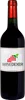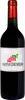
Winery Santiago QueiroloShiraz
 Red wine



This wine generally goes well with beef, lamb or mature and hard cheese.

Wine flavors and olphactive analysis


On the nose the Shiraz of Winery Santiago Queirolo in the region of Ica often reveals types of flavors of red fruit.
Food and wine pairings with Shiraz
Pairings that work perfectly with Shiraz



Original food and wine pairings with Shiraz

The Shiraz of Winery Santiago Queirolo matches generally quite well with dishes of beef, lamb or spicy food such as recipes of caramelized beef with onions, irish stew or turkey paupiettes in poultry sauce.
Details and technical informations about Winery Santiago Queirolo's Shiraz.
Discover the grape variety: Lameiro
Lively, fruity whites to drink young with a pale golden robe, an airy, low-alcohol palate with marked acidity, and signature aromas of citrus (lemon), green apple, white flowers and fresh herbal notes. A nervy, thirst-quenching profile. Very little-known, used locally in traditional Vinho Verde DOC blends, preserved for its patrimonial interest. A Portuguese white grape grown in the Monção sub-region of northern Minho.
Last vintages of this wine
The best vintages of Shiraz from Winery Santiago Queirolo are 2016, 2014, 0, 2015
Informations about the Winery Santiago Queirolo
The Winery Santiago Queirolo is one of of the world's great estates. It offers 21 wines for sale in the of Ica to come and discover on site or to buy online.

The wine region of Ica
Peruvian region ~300 km south of Lima on the Pacific coast, heart of Pisco. Dry desert climate, draining sandy soils, Andean irrigation. Signature Pisco as national eau-de-vie (no wood ageing) with fresh grape, white flowers, citrus, tropical fruits and muscat notes. Aromatic pisquera varieties (Italia, Moscatel, Albilla, Torontel) and non-aromatic (Quebranta, Negra Criolla, Mollar).
The word of the wine: Right bank
In Bordeaux, it refers to the vineyards located on the right bank of the Gironde and Dordogne rivers, where the Merlot grape variety is dominant. These are the appellations of Saint-Emilion, Pomerol, Fronsac, etc.