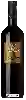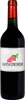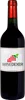
Winery Santa SarahBin 49 Cabernet Franc
 Red wine



This wine generally goes well with pork, poultry or beef.
The Bin 49 Cabernet Franc of the Winery Santa Sarah is in the top 10 of wines of Thracian Valley.

Food and wine pairings with Bin 49 Cabernet Franc
Pairings that work perfectly with Bin 49 Cabernet Franc



Original food and wine pairings with Bin 49 Cabernet Franc


The Bin 49 Cabernet Franc of Winery Santa Sarah matches generally quite well with dishes of beef, pork or game (deer, venison) such as recipes of greek moussaka, pizza cone or duck aiguillettes with apples.
Details and technical informations about Winery Santa Sarah's Bin 49 Cabernet Franc.
Discover the grape variety: Cabernet franc
Supple, fragrant reds with fine tannins and vibrant freshness, showing raspberry, violet, green pepper, pencil lead and gentle spice aromas. Star of the Loire as a single variety (Chinon, Bourgueil, Saumur-Champigny) and of the right bank of Bordeaux in blends (Cheval Blanc at 60%). Also in semi-dry Anjou rosés. A historic Bordeaux variety, parent of Cabernet-Sauvignon, Merlot and Carmenère.
Last vintages of this wine
The best vintages of Bin 49 Cabernet Franc from Winery Santa Sarah are 2011, 0
Informations about the Winery Santa Sarah
The Winery Santa Sarah is one of of the world's great estates. It offers 16 wines for sale in the of Thracian Valley to come and discover on site or to buy online.

The wine region of Thracian Valley
Bulgaria's largest wine region, land of identity-driven reds. Signature Mavrud around Plovdiv: a structured, tannic red with notes of blackberry, candied plum, dry herbs, leather and spices, long ageing. Fleshy, deep Rubin (Nebbiolo × Syrah cross), supple, fruity Pamid, dense Melnik 55. Aromatic Red Misket whites (rose, citrus).
The word of the wine: Acescence
An alteration in wine also known as pitting (hence the expression piqué wine), due to the presence of acetic acid and ethyl acetate, and characterized by a vinegar-like odor.