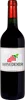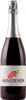
Winery San MicheleMillecento Fino Tinto Seco
 Red wine



This wine generally goes well with pork, poultry or veal.

Food and wine pairings with Millecento Fino Tinto Seco
Pairings that work perfectly with Millecento Fino Tinto Seco



Original food and wine pairings with Millecento Fino Tinto Seco


The Millecento Fino Tinto Seco of Winery San Michele matches generally quite well with dishes of veal, pork or game (deer, venison) such as recipes of curried veal roulades, summer orecchiette or duck pot au feu.
Details and technical informations about Winery San Michele's Millecento Fino Tinto Seco.
Discover the grape variety: Pinot noir
Elegant reds, light in colour with silky tannins, showing strawberry, cherry and raspberry aromas, evolving to forest floor, mushroom and spice with age. Fresh acidity, delicate finish. Star of the Côte d'Or (Romanée-Conti, Chambertin, Volnay), pillar of Champagne (Blanc de Noirs) and signature of Oregon, Central Otago and Sonoma Coast. An early-ripening Burgundian variety, one of the world's greatest.
Last vintages of this wine
The best vintages of Millecento Fino Tinto Seco from Winery San Michele are 2015, 2018, 0, 2019
Informations about the Winery San Michele
The Winery San Michele is one of of the world's greatest estates. It offers 17 wines for sale in the of Santa Catarina to come and discover on site or to buy online.

The wine region of Santa Catarina
State of southern Brazil, a renowned specialist in altitude wines (IG "Vinhos de Altitude"), vineyards between 870 and 1,300 m. A cool climate without a dry season marking freshness and tension. Precise Chardonnay whites with signature notes of citrus, green apple, white flowers and saline minerality, crisp acidity. Lively Sauvignon (boxwood, exotic fruits).
The word of the wine: Rebêche (champagne)
Must obtained in excess of the 2 550 litres authorised for a weight of 4 000 kilos of grapes. The first 2 050 litres constitute the cuvée and the next 500 litres the taille. The rebêche represents 1 to 3 % of the total volume and must be distilled or used to make ratafia.