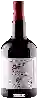
Winery SaltramLudlows Tawny Port
 Natural sweet wine
This wine generally goes well with beef, lamb or mature and hard cheese.

Food and wine pairings with Ludlows Tawny Port
Pairings that work perfectly with Ludlows Tawny Port



Original food and wine pairings with Ludlows Tawny Port

The Ludlows Tawny Port of Winery Saltram matches generally quite well with dishes such as recipes .
Details and technical informations about Winery Saltram's Ludlows Tawny Port.
Discover the grape variety: Pavana
Light and fruity reds with a clear ruby colour, soft tannins and supple palate, with simple aromas of red fruit (cherry, raspberry), spices and floral notes. An airy and confidential profile. Grown in small quantities in the province of Vicenza, preserved for its heritage value among rare Venetian autochthonous varieties. An indigenous Italian black variety from Veneto, studied for its genetic interest among ancient north-eastern Italian grape varieties.
Informations about the Winery Saltram
The Winery Saltram is one of of the world's great estates. It offers 103 wines for sale in the of Barossa to come and discover on site or to buy online.

The wine region of Barossa
World icon of Australian Shiraz (~50% of plantings). Powerful, sun-filled reds with signature notes of candied blackberry, black plum, dark chocolate, liquorice, leather and sweet spices (pepper, clove), round tannins and generous opulence. Old vines among the world's oldest (Shiraz from 1843, Turkey Flat). Also fruity, sun-filled Grenache, firm Mataro (Mourvèdre), dense Cabernet Sauvignon and ample Sémillon.
The wine region of Australie du Sud
Cradle of the great Australian Shiraz: powerful, sun-drenched reds with notes of blackberry, candied plum, pepper, chocolate and eucalyptus, ample tannins and vibrant fruit (Barossa, McLaren Vale). Firm, minty Cabernet Sauvignon on Coonawarra (terra rossa). Dry, lemony Riesling from Clare and Eden Valley, straight and taut. Fresh Sauvignon and Chardonnay from Adelaide Hills.
The word of the wine: Table wine
A category of wine with no geographical indication on the label, often resulting from blends between wines from different vineyards in France or the EU. These wines are now called "wines without geographical indication" (and "French wines" if they come from the national territory).