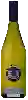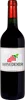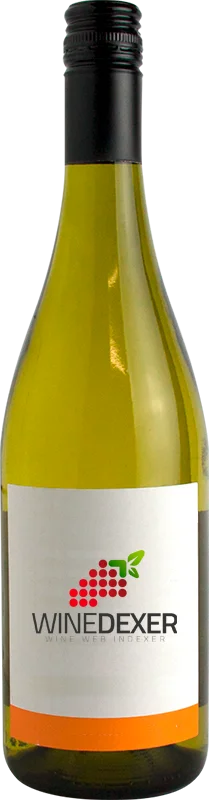
Winery Roger ChampaultCôte de Champtin Sancerre Blanc
 White wine


In the mouth this white wine is a with a nice freshness.
This wine generally goes well with pork, vegetarian or shellfish.

Taste structure of the Côte de Champtin Sancerre Blanc from the Winery Roger Champault
Light | Bold | |
Dry | Sweet | |
Soft | Acidic |
In the mouth the Côte de Champtin Sancerre Blanc of Winery Roger Champault in the region of Loire Valley is a with a nice freshness.
Wine flavors and olphactive analysis





On the nose the Côte de Champtin Sancerre Blanc of Winery Roger Champault in the region of Loire Valley often reveals types of flavors of pineapple, oaky or citrus and sometimes also flavors of peach, butter or green apple.
Food and wine pairings with Côte de Champtin Sancerre Blanc
Pairings that work perfectly with Côte de Champtin Sancerre Blanc



Original food and wine pairings with Côte de Champtin Sancerre Blanc


The Côte de Champtin Sancerre Blanc of Winery Roger Champault matches generally quite well with dishes of pork, shellfish or spicy food such as recipes of banh mi sandwich, express seafood spaghetti or island grouper.
Details and technical informations about Winery Roger Champault's Côte de Champtin Sancerre Blanc.
Discover the grape variety: Mourvaison
Simple, light and fruity reds with a lightly coloured clear ruby hue, soft tannins and an airy palate with moderate acidity, showing understated aromas of red fruits. Discreet, rustic Provençal profile. Almost disappeared, preserved in INRAE varietal collections for its heritage value, it testifies to the pre-phylloxera ampelographic diversity of the Provençal vineyard. Native French black variety from Provence, formerly grown in the south-east.
Last vintages of this wine

The best vintages of Côte de Champtin Sancerre Blanc from Winery Roger Champault are 2016, 2015, 2012, 2017 and 2013.
Informations about the Winery Roger Champault
The Winery Roger Champault is one of of the world's greatest estates. It offers 13 wines for sale in the of Sancerre to come and discover on site or to buy online.

The wine region of Sancerre
World reference for taut Sauvignon Blanc: exclusive signature white king — dry and mineral with notes of citrus (lemon, grapefruit), vine peach, pear, exotic fruit, white flowers and signature gun-flint, lively acidity and a racy finish according to soils (limestone, flint, clay). Subtler than NZ or Chile, ages 5-10 years. Rare airy Pinot Noir reds (cherry, raspberry) and saline rosés. AOC on the Loire's left bank (Centre), hills at 200-400 m.
The wine region of Loire Valley
Kingdom of lively, dry whites and fine sparklers. Mineral, taut Sauvignon Blanc (Sancerre, Pouilly-Fumé) with citrus and gunflint notes. Multiform Chenin Blanc (Vouvray, Savennières, Layon): straight dry, floral off-dry or noble sweet honey-quince. Saline, iodised Muscadet (Melon B.
The word of the wine: Food and wine pairing
It is the set of techniques that allow for the pleasant combination of food and wine. Food and wine pairing is based on a few basic principles, such as similarity, complementarity or contrast, and involves all the elements that make up the wine and the food (flavours, textures, aromas, etc.).