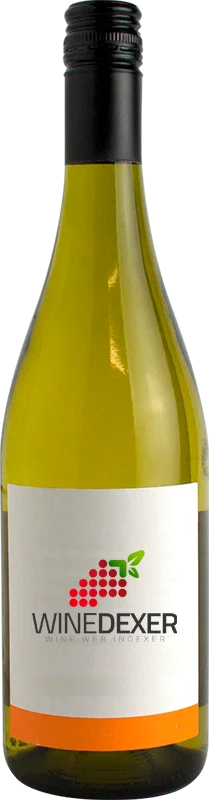
Winery RobertielloSan Sebastiano Bianco
 White wine
In the mouth this white wine is a powerful.
This wine generally goes well with vegetarian, appetizers and snacks or shellfish.

Taste structure of the San Sebastiano Bianco from the Winery Robertiello
Light | Bold | |
Dry | Sweet | |
Soft | Acidic |
In the mouth the San Sebastiano Bianco of Winery Robertiello in the region of Sicily is a powerful.
Food and wine pairings with San Sebastiano Bianco
Pairings that work perfectly with San Sebastiano Bianco



Original food and wine pairings with San Sebastiano Bianco
The San Sebastiano Bianco of Winery Robertiello matches generally quite well with dishes of shellfish, vegetarian or appetizers and snacks such as recipes of three ways to prepare chinese noodles, light tuna-tomato quiche (without cream) or chorizo puff pastry.
Details and technical informations about Winery Robertiello's San Sebastiano Bianco.
Discover the grape variety: Grenache Gris
Structured and rich whites and rosés with a pale salmon or golden robe, full mouthfeel and moderate acidity, with aromas of yellow fruits (pear, peach), candied citrus, white flowers, fennel, garrigue and schist mineral notes. Good ageing potential. Star of the great identity whites of Roussillon (Côtes du Roussillon AOC, Collioure AOC) on schist soils. A grey-skinned mutation of the Aragonese Grenache Noir.
Informations about the Winery Robertiello
The Winery Robertiello is one of of the world's greatest estates. It offers 11 wines for sale in the of Sicily to come and discover on site or to buy online.

The wine region of Sicily
Major qualitative renewal. Sunny, expressive reds: fleshy, spicy Nero d'Avola (black cherry, blackberry, liquorice), fine, mineral Nerello Mascalese on Etna (recalls Pinot Noir), light, crisp Frappato in Cerasuolo di Vittoria DOCG. Lively, saline whites: Catarratto, fat, iodised Grillo, taut Carricante, floral Inzolia. Amber, walnutty fortified Marsala.
The word of the wine: Concentrate
Said of a wine that is rich in all its components (sugars in sweet wines, tannins in red wines, aromatic compounds) and that leaves an impression of density, intensity and depth.