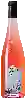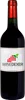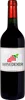
Winery Robert MarcelRéserve R & M Saumur Rouge
 Red wine


This wine generally goes well with pork, poultry or beef.

Food and wine pairings with Réserve R & M Saumur Rouge
Pairings that work perfectly with Réserve R & M Saumur Rouge



Original food and wine pairings with Réserve R & M Saumur Rouge


The Réserve R & M Saumur Rouge of Winery Robert Marcel matches generally quite well with dishes of beef, pork or game (deer, venison) such as recipes of chili con carne, brazilian feijoada or duck pot au feu.
Details and technical informations about Winery Robert Marcel's Réserve R & M Saumur Rouge.
Discover the grape variety: Cabernet franc
Supple, fragrant reds with fine tannins and vibrant freshness, showing raspberry, violet, green pepper, pencil lead and gentle spice aromas. Star of the Loire as a single variety (Chinon, Bourgueil, Saumur-Champigny) and of the right bank of Bordeaux in blends (Cheval Blanc at 60%). Also in semi-dry Anjou rosés. A historic Bordeaux variety, parent of Cabernet-Sauvignon, Merlot and Carmenère.
Informations about the Winery Robert Marcel
The Winery Robert Marcel is one of of the world's great estates. It offers 51 wines for sale in the of Saumur to come and discover on site or to buy online.

The wine region of Saumur
Loire tuffeau mosaic: Chenin reigns in whites — dry to off-dry with notes of citrus, apple, pear, candied white fruits, white flowers and a chalky mineral touch, taut acidity and a saline finish. Cabernet Franc (Breton) the signature red, airy (violet, raspberry, plum, peppery touch, fine tannins) and a fruity rosé. Renowned traditional-method Saumur Brut. Anjou-Saumur AOC on limestone tuffeau, troglodyte cellars.
The wine region of Loire Valley
Kingdom of lively, dry whites and fine sparklers. Mineral, taut Sauvignon Blanc (Sancerre, Pouilly-Fumé) with citrus and gunflint notes. Multiform Chenin Blanc (Vouvray, Savennières, Layon): straight dry, floral off-dry or noble sweet honey-quince. Saline, iodised Muscadet (Melon B.
The word of the wine: Malic (acid)
An acid that occurs naturally in many wines and is transformed into lactic acid during malolactic fermentation.