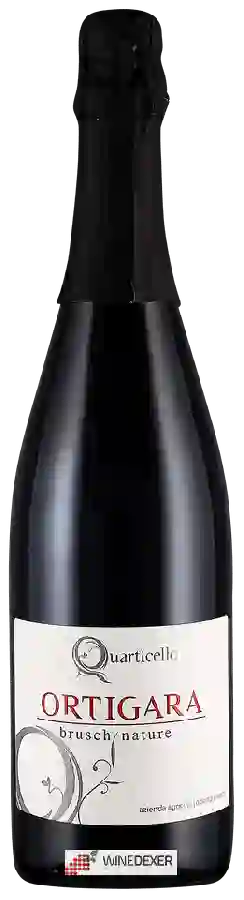
Winery QuarticelloOrtigara Brusch Nature
 Sparkling wine


This wine generally goes well with

Details and technical informations about Winery Quarticello's Ortigara Brusch Nature.
Discover the grape variety: Tchkhaveri
Elegant, light reds with a pale ruby robe, fine tannins and a silky palate with preserved acidity, with signature aromas of red fruits (cherry, raspberry), gentle spices and floral notes. Also fresh rosés. Often vinified using the traditional qvevri method; defines the viticultural identity of Guria. Indigenous Georgian black variety grown mainly in the Guria region in western Georgia.
Last vintages of this wine
The best vintages of Ortigara Brusch Nature from Winery Quarticello are 2015, 0
Informations about the Winery Quarticello
The Winery Quarticello is one of of the world's greatest estates. It offers 14 wines for sale in the of Emilia to come and discover on site or to buy online.

The wine region of Emilia
Kingdom of Lambrusco, the world's most-drunk sparkling red. Convivial, accessible sparklers from the Grasparossa (the fleshiest and most tannic), Salamino (balanced), Sorbara (pale and floral with red fruits) and Maestri varieties: ruby colour, lively foam, signature notes of cherry, raspberry, violet and flowers, fresh acidity. From dry to off-dry, perfect with Parma and Modena charcuterie. Also aromatic Malvasia and fresh Trebbiano.
The wine region of Emilia-Romagna
Kingdom of Lambrusco: fresh, fruity sparkling reds (blackberry, cherry, violet), from gourmet dry to convivial off-dry, perfect with local charcuterie. World's best-selling sparkling wine on the Emilia side (Sorbara, Grasparossa, Salamino). East, Romagna: supple fruity Sangiovese, Albana (Italy's 1st white DOCG, 1987) ample and almondy. Also red Gutturnio and white Pignoletto.
The word of the wine: Smooth
Said of a wine that has a mouthfeel reminiscent of the creamy texture of fats.