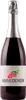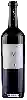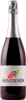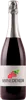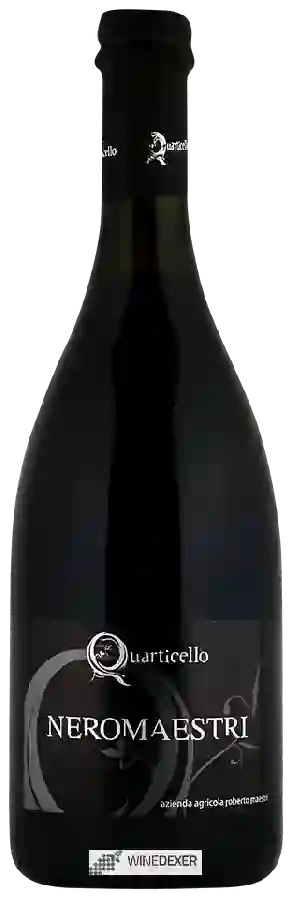
Winery QuarticelloNeromaestri
 Sparkling wine



This wine generally goes well with pork, poultry or rich fish (salmon, tuna etc).

Wine flavors and olphactive analysis


On the nose the Neromaestri of Winery Quarticello in the region of Emilia-Romagna often reveals types of flavors of earth, red fruit or black fruit.
Food and wine pairings with Neromaestri
Pairings that work perfectly with Neromaestri



Original food and wine pairings with Neromaestri


The Neromaestri of Winery Quarticello matches generally quite well with dishes of pork, rich fish (salmon, tuna etc) or mature and hard cheese such as recipes of stuffed potatoes, salmon in brick pastry or gratin comtois.
Details and technical informations about Winery Quarticello's Neromaestri.
Discover the grape variety: Refosco dal Peduncolo rosso
Structured, intensely coloured reds with a deep ruby colour, firm tannins and dense palate, showing signature aromas of black fruits (blackberry, blackcurrant), plum, spices, Mediterranean herbs and balsamic notes. Good Friulian ageing potential. Star of the Colli Orientali del Friuli DOC and Friuli Aquileia DOC, making the great aged reds of Friuli. Native Italian black variety from Friuli, whose name evokes the red colour of the bunch stem.
Last vintages of this wine
The best vintages of Neromaestri from Winery Quarticello are 2014, 2016, 2018, 0 and 2017.
Informations about the Winery Quarticello
The Winery Quarticello is one of of the world's greatest estates. It offers 14 wines for sale in the of Emilia-Romagna to come and discover on site or to buy online.

The wine region of Emilia-Romagna
Kingdom of Lambrusco: fresh, fruity sparkling reds (blackberry, cherry, violet), from gourmet dry to convivial off-dry, perfect with local charcuterie. World's best-selling sparkling wine on the Emilia side (Sorbara, Grasparossa, Salamino). East, Romagna: supple fruity Sangiovese, Albana (Italy's 1st white DOCG, 1987) ample and almondy. Also red Gutturnio and white Pignoletto.
The word of the wine: Bâtonnage
A very old technique that has come back into fashion in modern oenology, which consists of shaking the white wine in the barrels at the end of fermentation, or after fermentation, with a stick or a flail, in order to suspend the fine lees composed of yeasts at the end of their activity. This process is sometimes used for red wines.