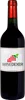
Winery PuiggrosNunu Garnatxa Negra
 Red wine



In the mouth this red wine is a powerful.
This wine generally goes well with poultry, beef or game (deer, venison).

Taste structure of the Nunu Garnatxa Negra from the Winery Puiggros
Light | Bold | |
Smooth | Tannic | |
Dry | Sweet | |
Soft | Acidic |
In the mouth the Nunu Garnatxa Negra of Winery Puiggros in the region of Vinos de Pago is a powerful.
Food and wine pairings with Nunu Garnatxa Negra
Pairings that work perfectly with Nunu Garnatxa Negra



Original food and wine pairings with Nunu Garnatxa Negra


The Nunu Garnatxa Negra of Winery Puiggros matches generally quite well with dishes of beef, pasta or lamb such as recipes of american style beef marinade, pasta gratin with courgettes and ham or lamb tagine with figs.
Details and technical informations about Winery Puiggros's Nunu Garnatxa Negra.
Discover the grape variety: Mataro
Structured, full-bodied reds with a deep purple colour, firm tannins, preserved acidity and signature aromas of black fruits (blackberry, cassis), spices, garrigue (thyme, rosemary), pepper, leather and animal notes. Fine Mediterranean ageing potential. The star of Bandol AOC in Provence, also cultivated in Spain, California and Australia under this name; a synonym of Mourvèdre.
Last vintages of this wine
The best vintages of Nunu Garnatxa Negra from Winery Puiggros are 2011, 0
Informations about the Winery Puiggros
The Winery Puiggros is one of of the world's greatest estates. It offers 13 wines for sale in the of Vinos de Pago to come and discover on site or to buy online.

The wine region of Vinos de Pago
Top of the Spanish quality pyramid (above DOCa and DO), reserved for 25 exceptional estates. Estate wines, grapes and vinification exclusively on site, 10 years of track record. All styles: concentrated, barrel-aged Cabernet, Syrah and Tempranillo reds (Dominio de Valdepusa, Arínzano, Pago de Otazu), maker's blends, a few ambitious whites. Great stylistic freedom.
The word of the wine: Shipping (liquor)
In champagne and wines made according to the traditional method, wine is added before corking to fill the void in the bottle created by disgorging. This added wine is often sweetened by sugar incorporated in variable proportions according to the style of wine sought (see dosage). Syn.: liqueur de dosage.