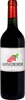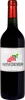
Caves de PegõesPenínsula de Setúbal Tinto
 Red wine


In the mouth this red wine is a powerful.
This wine generally goes well with poultry, beef or veal.
Taste structure of the Península de Setúbal Tinto from the Caves de Pegões
Light | Bold | |
Smooth | Tannic | |
Dry | Sweet | |
Soft | Acidic |
In the mouth the Península de Setúbal Tinto of Caves de Pegões in the region of Península de Setúbal is a powerful.
Wine flavors and olphactive analysis


On the nose the Península de Setúbal Tinto of Caves de Pegões in the region of Península de Setúbal often reveals types of flavors of microbio, oak or red fruit and sometimes also flavors of black fruit.
Food and wine pairings with Península de Setúbal Tinto
Pairings that work perfectly with Península de Setúbal Tinto



Original food and wine pairings with Península de Setúbal Tinto

The Península de Setúbal Tinto of Caves de Pegões matches generally quite well with dishes of beef, pasta or veal such as recipes of beef tongue in hot sauce, pasta with parmesan cream and ham or braised veal heart with carrots.
Details and technical informations about Caves de Pegões's Península de Setúbal Tinto.
Discover the grape variety: Bacchus blanc
Intraspecific crossing between the sylvaner x riesling and the Müller-Thurgau obtained in 1933 in Germany by Peter Morio and Bernhard Husfeld. It can be found in England, Switzerland, Canada, ... in France, it is almost unknown.
Last vintages of this wine

The best vintages of Península de Setúbal Tinto from Caves de Pegões are 2013, 2012, 2019, 2018 and 2010.
Informations about the Caves de Pegões
The Caves de Pegões is one of of the world's greatest estates. It offers 5 wines for sale in the of Península de Setúbal to come and discover on site or to buy online.

The wine region of Península de Setúbal
Setúbal Peninsula (also known as Península de Setúbal) is the Portuguese wine region immediately southeast of Lisbon, across the Tejo estuary. The Terroir in the area ranges from sandy coastal plains to the craggy, limestone-rich Serra Arribida hills. The area is known for its Dry red wines made from Castelão, and for its fortified wines and Sweet Moscatel de Setúbal. The wines produced here are made under three titles: two DOCs, Palmela and Setúbal, and one IGP.
The word of the wine: Mistelle
Unfermented must with added brandy, also called liqueur wine: Pineau des Charentes, Floc de Gascogne, Macvin du Jura, Ratafia, Cartagène du Languedoc.