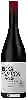
Winery Monte Da CalLusocastas Tinto
 Red wine


In the mouth this red wine is a powerful.
This wine generally goes well with poultry, beef or veal.

Taste structure of the Lusocastas Tinto from the Winery Monte Da Cal
Light | Bold | |
Smooth | Tannic | |
Dry | Sweet | |
Soft | Acidic |
In the mouth the Lusocastas Tinto of Winery Monte Da Cal in the region of Alentejano is a powerful.
Food and wine pairings with Lusocastas Tinto
Pairings that work perfectly with Lusocastas Tinto



Original food and wine pairings with Lusocastas Tinto

The Lusocastas Tinto of Winery Monte Da Cal matches generally quite well with dishes of beef, lamb or veal such as recipes of tournedos with foie gras, couscous chicken and merguez or veal tagine with artichokes and lemons.
Details and technical informations about Winery Monte Da Cal's Lusocastas Tinto.
Discover the grape variety: Valdiguié
Supple and fruity reds with a clear ruby robe, melted tannins and fresh acidity, with aromas of red fruits (raspberry, cherry, strawberry), soft spices and floral notes. A light, thirst-quenching style, best drunk young, often by carbonic maceration. Grown in California as "Napa Gamay" and in Languedoc IGPs. An autochthonous south-west variety once ubiquitous in France, now in revival for modern cuvées.
Last vintages of this wine
The best vintages of Lusocastas Tinto from Winery Monte Da Cal are 0
Informations about the Winery Monte Da Cal
The Winery Monte Da Cal is one of of the world's great estates. It offers 20 wines for sale in the of Alentejano to come and discover on site or to buy online.

The wine region of Alentejano
Star of southern Portugal's great reds, sunny and opulent wines. Typical blends: round fruity Aragonez (Tempranillo), spicy Trincadeira, Touriga Nacional (black fruits, violet), deep teinturier Alicante Bouschet, juicy Castelão. Fleshy reds with notes of plum, black cherry, cocoa and sweet spices, melted tannins. Ample fresh Antão Vaz and Arinto whites.
The word of the wine: Reduced
This is said of aromas that are reminiscent of a stale wine and that can be released when a long-closed bottle is opened. They generally fade with airing.