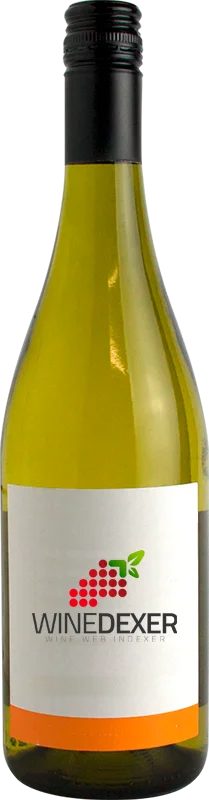
Caves VelhasAdega da Vila Alentejano Branco
 White wine


In the mouth this white wine is a powerful.
This wine generally goes well with pork, lean fish or shellfish.

Taste structure of the Adega da Vila Alentejano Branco from the Caves Velhas
Light | Bold | |
Dry | Sweet | |
Soft | Acidic |
In the mouth the Adega da Vila Alentejano Branco of Caves Velhas in the region of Alentejano is a powerful.
Food and wine pairings with Adega da Vila Alentejano Branco
Pairings that work perfectly with Adega da Vila Alentejano Branco



Original food and wine pairings with Adega da Vila Alentejano Branco

The Adega da Vila Alentejano Branco of Caves Velhas matches generally quite well with dishes of pasta, pork or shellfish such as recipes of tuscan pastachute, chicken ballotine with ham and mushrooms or rice with shrimps and onions.
Details and technical informations about Caves Velhas's Adega da Vila Alentejano Branco.
Discover the grape variety: Fer
Structured, colourful reds with a deep purple robe, firm, tight tannins and an ample palate with preserved acidity. Signature aromas of black fruits (blackcurrant, blackberry), red pepper, spice and herbal notes. Age-worthy profile. Star of great Aveyron reds (Marcillac), Gaillac reds (Braucol) and Béarnais reds (Pinenc), expressing the schist terroirs of south-west France. A native French black grape (synonym Fer Servadou), pillar of the south-west.
Last vintages of this wine

The best vintages of Adega da Vila Alentejano Branco from Caves Velhas are 2017, 2018, 2016, 0 and 2012.
Informations about the Caves Velhas
The Caves Velhas is one of of the world's great estates. It offers 85 wines for sale in the of Alentejano to come and discover on site or to buy online.

The wine region of Alentejano
Star of southern Portugal's great reds, sunny and opulent wines. Typical blends: round fruity Aragonez (Tempranillo), spicy Trincadeira, Touriga Nacional (black fruits, violet), deep teinturier Alicante Bouschet, juicy Castelão. Fleshy reds with notes of plum, black cherry, cocoa and sweet spices, melted tannins. Ample fresh Antão Vaz and Arinto whites.
The word of the wine: Mouth
The mouth is the third stage of wine tasting after the eye and nose. In the mouth, the taster identifies the aromas through the retronasal route, the flavours and the texture. It is in the mouth that the overall balance of the wine is apprehended.