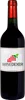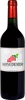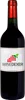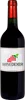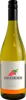
Winery AdegaMãeRiesling
 White wine


In the mouth this white wine is a powerful.
This wine generally goes well with pork, lean fish or shellfish.

Taste structure of the Riesling from the Winery AdegaMãe
Light | Bold | |
Dry | Sweet | |
Soft | Acidic |
In the mouth the Riesling of Winery AdegaMãe in the region of Lisboa is a powerful.
Wine flavors and olphactive analysis


On the nose the Riesling of Winery AdegaMãe in the region of Lisboa often reveals types of flavors of earth, tree fruit or citrus fruit.
Food and wine pairings with Riesling
Pairings that work perfectly with Riesling



Original food and wine pairings with Riesling

The Riesling of Winery AdegaMãe matches generally quite well with dishes of pasta, pork or shellfish such as recipes of seafood lasagna, nanie's diced ham quiche or shrimps with curry and coconut milk.
Details and technical informations about Winery AdegaMãe's Riesling.
Discover the grape variety: Riesling
Crystalline, taut whites with vibrant acidity and aromas of citrus, green apple, white flowers, vineyard peach and mineral/petrol notes with age. Made as dry (Trocken, Alsace), off-dry (Kabinett, Spätlese) and sweet (Auslese, Beerenauslese, Trockenbeerenauslese, late harvest). Star of the Moselle, Rheingau, Alsace AOC and Wachau. Also exported to Clare Valley and Finger Lakes.
Last vintages of this wine

The best vintages of Riesling from Winery AdegaMãe are 2014, 2015, 0
Informations about the Winery AdegaMãe
The Winery AdegaMãe is one of of the world's great estates. It offers 76 wines for sale in the of Lisboa to come and discover on site or to buy online.

The wine region of Lisboa
Vast coastal IGP north of Lisbon, Portugal's largest producer by volume. Accessible, sun-filled reds: fruity, spicy Castelão, dense Touriga Nacional (black fruit, violet), fleshy Trincadeira, deep Alicante Bouschet. Fresh, mineral whites: straight, lemony Arinto (star of Bucelas), aromatic Fernão Pires, round Vital and Malvasia. Structured reds from Alenquer, sparkling at Óbidos.
The word of the wine: Old vines
There are no specific regulations governing the term "vieilles vignes". After 20 to 25 years, the yields stabilize and tend to decrease, the vines are deeply rooted, and the grapes that come from them give richer, more concentrated, more sappy wines, expressing with more nuance the characteristics of their terroir. It is possible to find plots of vines that claim to be a century old.