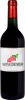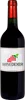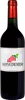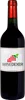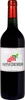
Winery PrusModra Frankinja
 Red wine



This wine generally goes well with pork, rich fish (salmon, tuna etc) or mature and hard cheese.
The Modra Frankinja of the Winery Prus is in the top 10 of wines of Posavje.

Wine flavors and olphactive analysis



On the nose the Modra Frankinja of Winery Prus in the region of Posavje often reveals types of flavors of earth, oak.
Food and wine pairings with Modra Frankinja
Pairings that work perfectly with Modra Frankinja



Original food and wine pairings with Modra Frankinja

The Modra Frankinja of Winery Prus matches generally quite well with dishes of pork, rich fish (salmon, tuna etc) or mature and hard cheese such as recipes of fricadella, salmon steak on a bed of leeks or auvergne fondue with ceps.
Details and technical informations about Winery Prus's Modra Frankinja.
Discover the grape variety: Groppello di Mocasina
Light and fruity reds for early drinking, clear ruby colour, soft tannins and lively mouth with vivid acidity, with signature aromas of cherry, strawberry, sweet spices and floral notes. Also used for rosé Chiaretto. Blended in Garda Classico DOC and Valtènesi DOC. Autochthonous Lombard variety grown near Lake Garda.
Last vintages of this wine
The best vintages of Modra Frankinja from Winery Prus are 2015, 2013, 2016, 0 and 2010.
Informations about the Winery Prus
The Winery Prus is one of of the world's greatest estates. It offers 28 wines for sale in the of Posavje to come and discover on site or to buy online.

The wine region of Posavje
Smallest of Slovenia's three major regions (southeast, bordering Croatia), limestone sandstone and dolomite soils, continental climate softened by Alps and Adriatic. Unique Cviček signature as light pale red (8. 5-10%, blend of at least 4 red and white varieties): tart and quenching with cherry, raspberry, citrus and herbaceous hint — typical everyday wine. Spicy Modra Frankinja and supple Žametovka in reds, lively Welschriesling in whites.
The word of the wine: Vinification of sweet wines
Moelleux and liquoreux wines are characterized by the presence of residual sugars (natural sugar of the grape), not transformed into alcohol under the effect of yeasts. The fermentation is stopped by cold and by the addition of sulphur dioxide (sulphur).