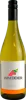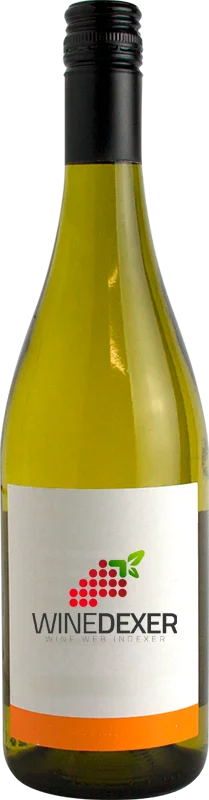
Winery Privatkellerei StorzRusticus Grauer Burgunder Trocken
 White wine
In the mouth this white wine is a .
This wine generally goes well with pork, cured meat or mushrooms.
Taste structure of the Rusticus Grauer Burgunder Trocken from the Winery Privatkellerei Storz
Light | Bold | |
Dry | Sweet | |
Soft | Acidic |
In the mouth the Rusticus Grauer Burgunder Trocken of Winery Privatkellerei Storz in the region of Württemberg is a .
Food and wine pairings with Rusticus Grauer Burgunder Trocken
Pairings that work perfectly with Rusticus Grauer Burgunder Trocken


Original food and wine pairings with Rusticus Grauer Burgunder Trocken

The Rusticus Grauer Burgunder Trocken of Winery Privatkellerei Storz matches generally quite well with dishes of pork, spicy food or mushrooms such as recipes of wild boar stew, mediterranean lamb necklace or veal with cream and mushrooms.
Details and technical informations about Winery Privatkellerei Storz's Rusticus Grauer Burgunder Trocken.
Discover the grape variety: Queen
Intraspecific crossing obtained in 1954 in the United States by Professor Harold P. Olmo of the University of Davis (California) by crossing the Hamburg Muscat with the Sultana.
Informations about the Winery Privatkellerei Storz
The Winery Privatkellerei Storz is one of of the world's greatest estates. It offers 43 wines for sale in the of Württemberg to come and discover on site or to buy online.

The wine region of Württemberg
Württemberg is known as Germany's premier red wine region. With almost 11,500 hectares (28,500 acres) of vineyards, it is the fourth-largest wine region in the country. Found adjacent to Baden and South of Franken, Wüttemberg is a particularly hilly and rural wine-region. Almost 70-percent of Württemberg wines are red, predominantly made from Trollinger, SchwarzRiesling and Lemberger.
The word of the wine: Cord
Management of trellised vines.