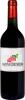
Winery Principe PallaviciniTerre dei Pallavicini Le Marmorelle Rosso
 Red wine


In the mouth this red wine is a powerful with a nice balance between acidity and tannins.
This wine generally goes well with poultry, beef or veal.

Taste structure of the Terre dei Pallavicini Le Marmorelle Rosso from the Winery Principe Pallavicini
Light | Bold | |
Smooth | Tannic | |
Dry | Sweet | |
Soft | Acidic |
In the mouth the Terre dei Pallavicini Le Marmorelle Rosso of Winery Principe Pallavicini in the region of Lazio is a powerful with a nice balance between acidity and tannins.
Food and wine pairings with Terre dei Pallavicini Le Marmorelle Rosso
Pairings that work perfectly with Terre dei Pallavicini Le Marmorelle Rosso



Original food and wine pairings with Terre dei Pallavicini Le Marmorelle Rosso

The Terre dei Pallavicini Le Marmorelle Rosso of Winery Principe Pallavicini matches generally quite well with dishes of beef, pasta or veal such as recipes of brazilian feijoada, express beef cannelloni or potjevleesch.
Details and technical informations about Winery Principe Pallavicini's Terre dei Pallavicini Le Marmorelle Rosso.
Discover the grape variety: Ravat blanc
Simple, fresh dry whites with a pale golden robe, supple palate and preserved acidity, with undemonstrative aromas of white flowers, citrus (lemon) and hybrid notes. Productive profile for early drinking. Grown in small quantities in France and Canada for continental-climate vineyards, a witness to post-phylloxera French hybridization history. French white hybrid created by Jean-François Ravat in the early 20th century.
Last vintages of this wine

The best vintages of Terre dei Pallavicini Le Marmorelle Rosso from Winery Principe Pallavicini are 2015, 2008, 0, 2013
Informations about the Winery Principe Pallavicini
The Winery Principe Pallavicini is one of of the world's great estates. It offers 38 wines for sale in the of Lazio to come and discover on site or to buy online.

The wine region of Lazio
Two-millennia Roman vineyard, predominantly white on the volcanic soils of the Castelli Romani. Frascati DOC as figurehead: fresh, accessible whites based on Malvasia and Trebbiano, notes of green apple, white flowers and almond, slightly bitter finish. Also Bellone and Grechetto. Emblematic red: Cesanese del Piglio DOCG, fleshy with notes of ripe cherry, dry herbs and spice, round tannins.
The word of the wine: Retrieved from
Wine that has lost its aromatic potential after prolonged aeration.