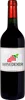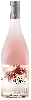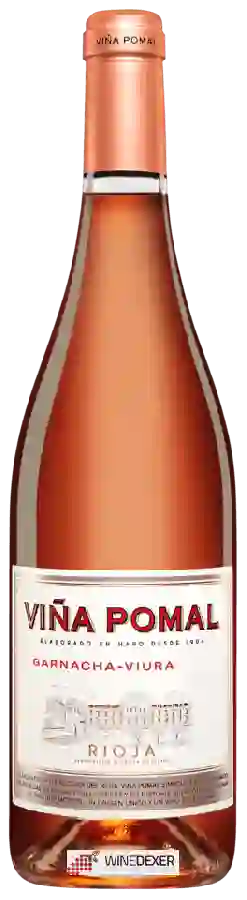
Winery Viña PomalGarnacha - Viura Rosé
 Pink wine



This wine generally goes well with pork, beef or lamb.

Wine flavors and olphactive analysis


On the nose the Garnacha - Viura Rosé of Winery Viña Pomal in the region of Rioja often reveals types of flavors of red fruit.
Food and wine pairings with Garnacha - Viura Rosé
Pairings that work perfectly with Garnacha - Viura Rosé



Original food and wine pairings with Garnacha - Viura Rosé

The Garnacha - Viura Rosé of Winery Viña Pomal matches generally quite well with dishes of beef, lamb or pork such as recipes of braised beef with carrots, lamb chops with lemon and herbs or vegetable planter.
Details and technical informations about Winery Viña Pomal's Garnacha - Viura Rosé.
Discover the grape variety: Sainte-croix
Fruity, supple reds for early drinking with a clear ruby robe, soft tannins, airy palate and fresh acidity; signature aromas of red fruits (cherry, raspberry) and discrete herbal notes. Accessible cold-hardy style. Cold-resistant, cultivated in cold North American regions (Quebec, Minnesota, Wisconsin), suited to continental climates. Black hybrid bred in 1998 by Elmer Swenson in Minnesota.
Last vintages of this wine
The best vintages of Garnacha - Viura Rosé from Winery Viña Pomal are 2018, 2016, 2015, 0 and 2017.
Informations about the Winery Viña Pomal
The Winery Viña Pomal is one of of the world's great estates. It offers 25 wines for sale in the of Rioja to come and discover on site or to buy online.

The wine region of Rioja
Star of great Spanish reds: signature Tempranillo, elegant and complex, with notes of ripe cherry, plum, leather, vanilla and tobacco from American oak ageing. Classification by age: fruity Joven, balanced Crianza, ample Reserva, deep, silky Gran Reserva (5 years, 2 in barrel). Some fresh Viura whites and generous rosés. Spain's first DOCa (1991), 3 sub-zones (Alta, Alavesa, Oriental), 93.
The word of the wine: Maceration
Prolonged contact and exchange between the juice and the grape solids, especially the skin. Not to be confused with the time of fermentation, which follows maceration. The juice becomes loaded with colouring matter and tannins, and acquires aromas. For a rosé, the maceration is short so that the colour does not "rise" too much. For white wines too, a "pellicular maceration" can be practised, which allows the wine to acquire more fat.