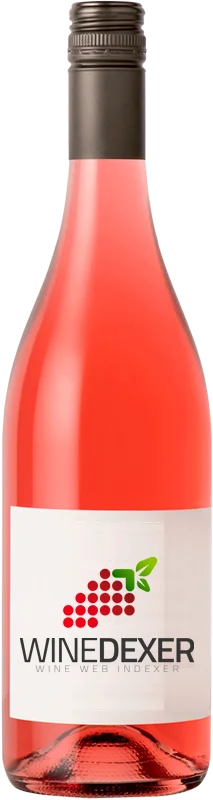
Winery IzadiLarrosa Travel Edition Garnacha
 Pink wine



This wine generally goes well with pork, beef or lamb.
The Larrosa Travel Edition Garnacha of the Winery Izadi is in the top 40 of wines of Rioja.

Food and wine pairings with Larrosa Travel Edition Garnacha
Pairings that work perfectly with Larrosa Travel Edition Garnacha



Original food and wine pairings with Larrosa Travel Edition Garnacha

The Larrosa Travel Edition Garnacha of Winery Izadi matches generally quite well with dishes of beef, lamb or pork such as recipes of fricandeaux german style, lamb tagine with olives and honey or light stuffed tomatoes.
Details and technical informations about Winery Izadi's Larrosa Travel Edition Garnacha.
Discover the grape variety: Montonico bianco
Structured, lively whites with a pale golden robe, a taut palate with pronounced acidity, and signature aromas of yellow fruits (peach, apricot), citrus (lemon), almonds and herbal notes. Also used as a base for sparkling wines and sweet passito. Often vinified dry, contributing to the identity of southern Abruzzi and Calabria whites. Italian white grape grown in Abruzzo and Calabria.
Last vintages of this wine
The best vintages of Larrosa Travel Edition Garnacha from Winery Izadi are 2019, 2018
Informations about the Winery Izadi
The Winery Izadi is one of of the world's greatest estates. It offers 26 wines for sale in the of Rioja to come and discover on site or to buy online.

The wine region of Rioja
Star of great Spanish reds: signature Tempranillo, elegant and complex, with notes of ripe cherry, plum, leather, vanilla and tobacco from American oak ageing. Classification by age: fruity Joven, balanced Crianza, ample Reserva, deep, silky Gran Reserva (5 years, 2 in barrel). Some fresh Viura whites and generous rosés. Spain's first DOCa (1991), 3 sub-zones (Alta, Alavesa, Oriental), 93.
The word of the wine: Bleeding
Old practice for red wines. As soon as the vat is filled with grapes, the tap is opened. A sweet but clear juice escapes from the vat (it can also be used to make rosé). The colour and density of the juice is enhanced, but it should not be overdone. Rarely more than 10% of the volume of a vat, otherwise you risk losing fruit and bringing in bitterness.