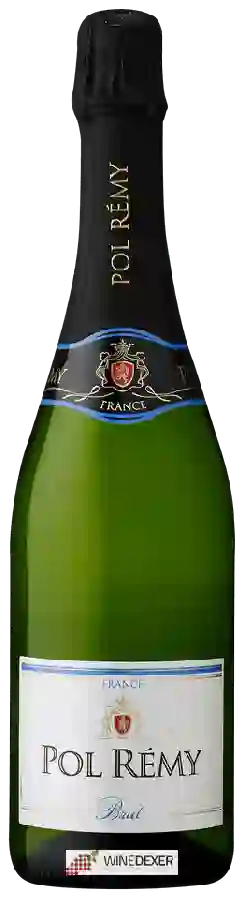
Winery Pol RémyBrut
 Sparkling wine


This wine generally goes well with pork, vegetarian or poultry.

Wine flavors and olphactive analysis




On the nose the Brut of Winery Pol Rémy in the region of Vin de France often reveals types of flavors of non oak, earth or microbio and sometimes also flavors of vegetal, oak or tree fruit.
Food and wine pairings with Brut
Pairings that work perfectly with Brut



Original food and wine pairings with Brut


The Brut of Winery Pol Rémy matches generally quite well with dishes of pork, rich fish (salmon, tuna etc) or shellfish such as recipes of salted lentils, light tuna-tomato quiche (without cream) or spanish seafood paella.
Details and technical informations about Winery Pol Rémy's Brut.
Discover the grape variety: Chardonnay
Whites with many faces: mineral and taut at Chablis (lemon, green apple, flint), opulent and buttery at Meursault and Puligny-Montrachet (hazelnut, brioche, yellow fruits), tense and chalky in Champagne (Blanc de Blancs). Also vinified sparkling and widely exported (Sonoma, Margaret River, Casablanca). A Burgundian variety, a cross of Pinot Noir × Gouais Blanc, half-sibling of Aligoté.
Last vintages of this wine

The best vintages of Brut from Winery Pol Rémy are 0, 2008
Informations about the Winery Pol Rémy
The Winery Pol Rémy is one of of the world's greatest estates. It offers 13 wines for sale in the of Vin de France to come and discover on site or to buy online.

The wine region of Vin de France
The freest category of French wine, the playground of winemakers working outside the AOC. All styles combined: fruity reds, lively or ambitious whites, everyday rosés, unusual blends, natural wines, atypical grapes (Petit Manseng in Languedoc, Riesling in Provence), experimental winemaking (skin-contact whites, no sulphur). Grape and vintage labelling allowed, no geographic constraint. From the pop, convivial cuvée to the artisan gem: freedom in a bottle.
The word of the wine: Burgundy melon
A white grape variety from Burgundy that is not widely used in its native region, but has spread to the Nantes region. It is the exclusive variety of Muscadet. It gives a dry pale yellow wine, supple and lively, with an intense bouquet, to which maturing on lees gives fatness and aromatic complexity.