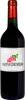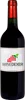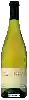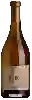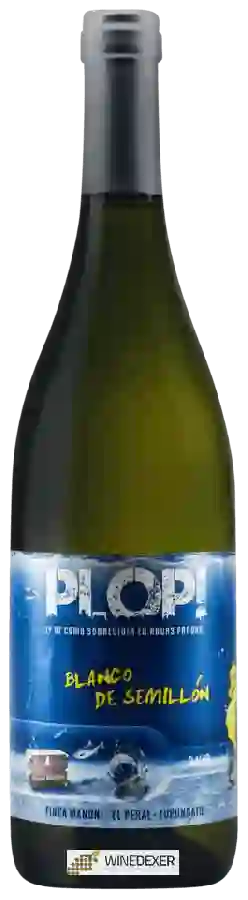
Winery Plop!Blanco de Semillón
 White wine


This wine generally goes well with poultry, rich fish (salmon, tuna etc) or shellfish.

Wine flavors and olphactive analysis



On the nose the Blanco de Semillón of Winery Plop! in the region of Mendoza often reveals types of flavors of earth, microbio or tree fruit and sometimes also flavors of citrus fruit.
Food and wine pairings with Blanco de Semillón
Pairings that work perfectly with Blanco de Semillón



Original food and wine pairings with Blanco de Semillón

The Blanco de Semillón of Winery Plop! matches generally quite well with dishes of rich fish (salmon, tuna etc), shellfish or sweet desserts such as recipes of gratin dauphinois with smoked salmon, cataplana with seafood or chocolate fondant.
Details and technical informations about Winery Plop!'s Blanco de Semillón.
Discover the grape variety: Voskeat (e)
Structured, aromatic whites with a pale golden colour, an ample palate with preserved acidity, and signature aromas of citrus, white flowers, white-fleshed fruits and mineral notes typical of Ararat. A traditional component of Armenia's great whites, used in the production of Armenian brandy (Ararat). An indigenous Armenian white variety (meaning "gold" in Armenian), grown mainly in the Ararat Valley.
Last vintages of this wine
The best vintages of Blanco de Semillón from Winery Plop! are 2018, 2017, 0
Informations about the Winery Plop!
The Winery Plop! is one of of the world's greatest estates. It offers 6 wines for sale in the of Mendoza to come and discover on site or to buy online.

The wine region of Mendoza
World capital of Malbec: powerful, deep reds with blackberry, plum, violet and sweet spice, round tannins and vivid fruit. Also firm Cabernet Sauvignon, supple, juicy Bonarda, aromatic floral white Torrontés. High-altitude vineyards (800-1,700 m) at the foot of the Andes, dry continental climate irrigated by glacial waters. ~80% of Argentine output across 150,000 ha.
The word of the wine: Classified growth
Place name or castle subject to a classification (Médoc classification of 1855, classified growths of Alsace...)