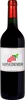
The Winery Pierre Fontaine of Minervois of Languedoc-Roussillon
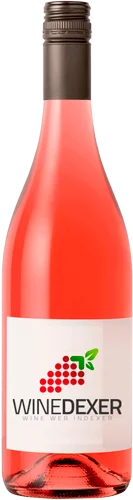
Winery Pierre Fontaine
The winery offers 3 different wines
3.0


Note - 1Note - 1Note - 1Note - 0Note - 0
Its wines get an average rating of 3.
It is ranked in the top 536 of the estates of Languedoc-Roussillon.
It is located in Minervois in the region of Languedoc-Roussillon

The Winery Pierre Fontaine is one of the best wineries to follow in Minervois.. It offers 3 wines for sale in of Minervois to come and discover on site or to buy online.
Top Winery Pierre Fontaine wines

Looking for the best Winery Pierre Fontaine wines in Minervois among all the wines in the region? Check out our tops of the best red, white or effervescent Winery Pierre Fontaine wines. Also find some food and wine pairings that may be suitable with the wines from this area. Learn more about the region and the Winery Pierre Fontaine wines with technical and enological descriptions.

The top pink wines of Winery Pierre Fontaine

Food and wine pairings with a pink wine of Winery Pierre Fontaine

How Winery Pierre Fontaine wines pair with each other generally quite well with dishes of pasta, vegetarian or appetizers and snacks such as recipes of spaghetti with "favouilles" (curries), zucchini quiche or chorizo rillettes.

The best vintages in the pink wines of Winery Pierre Fontaine

  • 2015With an average score of 3.00/5

The grape varieties most used in the pink wines of Winery Pierre Fontaine.

  • Shiraz/Syrah
  • Grenache

Discovering the wine region of Minervois

Minervois is an appellation for distinctive red wines from the western Languedoc region of France. In general, they are softer than those produced in the Corbières, just to the South. The Minervois appellation also covers rosé and white wines. The predominant Grape varieties used in AOC Minervois wines are Grenache, Syrah and Mourvèdre.

Together with the rarer Lledoner Pelut (or Lladoner Pelut), they must make up at least 60% of the blend. Carignan and Cinsaut are Part of the supporting wines that can represent 40% of the blend. The white wines of the appellation vary considerably in quality and style. They are made from the grape varieties Vermentino, Roussanne, Marsanne, Bourboulenc and Grenache Blanc.

The top red wines of Winery Pierre Fontaine

Food and wine pairings with a red wine of Winery Pierre Fontaine

How Winery Pierre Fontaine wines pair with each other generally quite well with dishes of beef, pasta or veal such as recipes of cabri en colombo with creole sauce, pasta romantica or roast veal in the oven.

The best vintages in the red wines of Winery Pierre Fontaine

  • 2016With an average score of 2.90/5
  • 2015With an average score of 2.90/5

The grape varieties most used in the red wines of Winery Pierre Fontaine.

  • Shiraz/Syrah
  • Grenache

Discover the grape variety: Petit brun

The petit brun is a black grape variety that is becoming rarer. It is found particularly in Provence, where it is one of the many other grape varieties that make up the reputation of this region. It is probably of Italian origin and is used to make the best red wines. It is known as "brun des Hautes Alpes". In order to be more productive, the vine needs to be pruned short and develops perfectly when it is well exposed. In France, Petit Brun is one of the secondary grape varieties used in the Palette appellations. The AOC Palette is considered the oldest in Provence. The wine made from petit brun is a dark red, particularly tannic. It gives off aromas of undergrowth and a floral scent. In the wines of Château Crémade, the petit brun gives them an exceptional subtlety.

Discover other wineries and winemakers neighboring the Winery Pierre Fontaine

Planning a wine route in the of Minervois? Here are the wineries to visit and the winemakers to meet during your trip in search of wines similar to Winery Pierre Fontaine.

Discover the grape variety: Acadie

Complex interspecific cross between 13 053 Seibel (7042 Seibel x 5409 Seibel) or cascade and 14 287 Seyve-Villard (6746 Seibel x Couderc 299-35) obtained in 1953 by Bradt Ollie A. at the Ontario Horticultural Research Institute (Canada). It can also be found in the United States and is almost unknown in France. From this same cross was born the veeblanc.