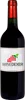
Winery Pieroth RomanetMontano Real Bonarda
 Red wine


In the mouth this red wine is a with a nice freshness.
This wine generally goes well with pork, poultry or veal.
The Montano Real Bonarda of the Winery Pieroth Romanet is in the top 10 of wines of Zug.

Taste structure of the Montano Real Bonarda from the Winery Pieroth Romanet
Light | Bold | |
Smooth | Tannic | |
Dry | Sweet | |
Soft | Acidic |
In the mouth the Montano Real Bonarda of Winery Pieroth Romanet in the region of Zug is a with a nice freshness.
Food and wine pairings with Montano Real Bonarda
Pairings that work perfectly with Montano Real Bonarda



Original food and wine pairings with Montano Real Bonarda

The Montano Real Bonarda of Winery Pieroth Romanet matches generally quite well with dishes of veal, pork or game (deer, venison) such as recipes of deer stew, quiche without pastry or duck breast with pepper sauce.
Details and technical informations about Winery Pieroth Romanet's Montano Real Bonarda.
Discover the grape variety: Riesling
Crystalline, taut whites with vibrant acidity and aromas of citrus, green apple, white flowers, vineyard peach and mineral/petrol notes with age. Made as dry (Trocken, Alsace), off-dry (Kabinett, Spätlese) and sweet (Auslese, Beerenauslese, Trockenbeerenauslese, late harvest). Star of the Moselle, Rheingau, Alsace AOC and Wachau. Also exported to Clare Valley and Finger Lakes.
Last vintages of this wine
The best vintages of Montano Real Bonarda from Winery Pieroth Romanet are 2017, 0
Informations about the Winery Pieroth Romanet
The Winery Pieroth Romanet is one of of the world's greatest estates. It offers 9 wines for sale in the of Zug to come and discover on site or to buy online.

The wine region of Zug
Confidential vineyard of central Switzerland (~10 ha around Lake Zug, temperate microclimate and foehn), morainic, limestone and molasse soils. Modern Piwi varieties (Johanniter and Cabernet Jura) as bio-friendly signature whites and reds — bright citrus, white flowers and green apple for whites; cherry, raspberry and a fresh herbal touch for reds. Riesling-Sylvaner and Pinot Noir as complements. Vineyard collar around the lake, Alpine artisanal identity.
The word of the wine: Oenographer
Wine label collector. It is becoming increasingly difficult to obtain the labels of famous vintages, which thus seek to avoid forgeries.