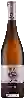
Winery ΠετρήεσσαΛευκή Κουντούρα - Sauvignon blanc
 White wine
This wine generally goes well with vegetarian, rich fish (salmon, tuna etc) or shellfish.
The Λευκή Κουντούρα - Sauvignon blanc of the Winery Πετρήεσσα is in the top 10 of wines of Evia.

Food and wine pairings with Λευκή Κουντούρα - Sauvignon blanc
Pairings that work perfectly with Λευκή Κουντούρα - Sauvignon blanc



Original food and wine pairings with Λευκή Κουντούρα - Sauvignon blanc
The Λευκή Κουντούρα - Sauvignon blanc of Winery Πετρήεσσα matches generally quite well with dishes of rich fish (salmon, tuna etc), shellfish or vegetarian such as recipes of salmon pizza, paella for dummies (simple and delicious) or magic cake cheese quiche.
Details and technical informations about Winery Πετρήεσσα's Λευκή Κουντούρα - Sauvignon blanc.
Discover the grape variety: Aramon
Light and supple reds with a lightly coloured ruby robe, melted tannins and moderate acidity, with simple aromas of red fruits (cherry, strawberry), floral notes and a rustic profile. Easy-drinking, low-alcohol thirst-quenchers best drunk young. Once ubiquitous in the 19th century, now marginal but preserved in IGP Pays d'Hérault. An autochthonous Languedoc variety, currently in revival for modern light cuvées.
Informations about the Winery Πετρήεσσα
The Winery Πετρήεσσα is one of of the world's greatest estates. It offers 8 wines for sale in the of Evia to come and discover on site or to buy online.

The wine region of Evia
Greek PGI on the island of Euboea (Greece's 2nd largest, facing Athens), Mediterranean climate freshened by Aegean breezes. Savatiano dominates (~80% of plantings): dry and light with citrus, green apple, Mediterranean herbs and a honeyed touch, fresh acidity, surprising ageing potential. Assyrtiko for tension, Malagousia for florals, Athiri in whites. Vradiano is the native red: fruity and spiced, complemented by Agiorgitiko and Cabernet.
The wine region of Continental Greece
Vast region of central Greece (Attica, Boeotia, Euboea, Phocis. ), ~1/3 of national output.
The word of the wine: Mutage
The act of adding alcohol to a fresh grape must or to a fermenting must.