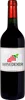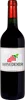
Winery Petra ViridisCuvée de la Préhistoire Coteaux de Pierrevert
 Red wine
This wine generally goes well with beef, lamb or mature and hard cheese.

Food and wine pairings with Cuvée de la Préhistoire Coteaux de Pierrevert
Pairings that work perfectly with Cuvée de la Préhistoire Coteaux de Pierrevert



Original food and wine pairings with Cuvée de la Préhistoire Coteaux de Pierrevert

The Cuvée de la Préhistoire Coteaux de Pierrevert of Winery Petra Viridis matches generally quite well with dishes of beef, lamb or spicy food such as recipes of family potluck, imene's tunisian ojja or moroccan veal tagine from hanane.
Details and technical informations about Winery Petra Viridis's Cuvée de la Préhistoire Coteaux de Pierrevert.
Discover the grape variety: Peurion
Simple and barely aromatic whites with a pale golden colour, an airy palate with moderate acidity, and discreet signature aromas of white fruits and light floral notes. Confidential heritage profile. Almost extinct today, preserved in a few INRAE ampelographic collections; among the ancient varieties studied for their heritage and genetic interest. Rare French white variety, formerly grown in the South-West and the Rhône Valley.
Informations about the Winery Petra Viridis
The Winery Petra Viridis is one of of the world's great estates. It offers 45 wines for sale in the of Coteaux de Pierrevert to come and discover on site or to buy online.

The wine region of Coteaux de Pierrevert
Provençal AOC of the Alpes-de-Haute-Provence (1998) around Manosque, the highest vineyard of Provence (400–500 m on the Durance hillsides), cool Mediterranean interior climate. Rosés (~53%) based on Grenache and Syrah with Cinsault and Mourvèdre: pale and crunchy with strawberry, raspberry, citrus, garrigue and floral notes, fresh altitude acidity — summery aperitif. Supple, fruity reds. Lively whites from Vermentino, Clairette and Marsanne.
The wine region of Provence
World capital of dry, refined rosé (~90% of production). Pale rose-petal colour, delicate nose of fresh red fruits (strawberry, raspberry, redcurrant), citrus (pink grapefruit), white flowers and a mineral touch, taut and thirst-quenching palate — the Mediterranean aperitif par excellence. Blends of Grenache, Cinsault, Syrah, Tibouren and Mourvèdre. Fleshy Bandol reds from Mourvèdre (leather, garrigue, age-worthy), straight Cassis whites.
The word of the wine: Pruine
A thin, fluffy film that covers the surface of the grape. It makes the berry impermeable and contains the indigenous yeasts necessary for the fermentation of the must.