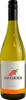
Winery Patraiki WinesΜΟΣΧΑΤΟΣ ΠΑΤΡΩΝ Doux
 Sweet wine
This wine generally goes well with
The ΜΟΣΧΑΤΟΣ ΠΑΤΡΩΝ Doux of the Winery Patraiki Wines is in the top 10 of wines of Patras.
Details and technical informations about Winery Patraiki Wines's ΜΟΣΧΑΤΟΣ ΠΑΤΡΩΝ Doux.
Discover the grape variety: Verdicchio blanc
This grape variety was known for a long time in the central region of Italy and is now cultivated in almost all the wine-producing regions of this country. Under the name of peverella, it can still be found in Brazil, where it has occupied large areas for a long time. In France, it is almost unknown. It would seem that it has many relatives, in particular with varieties of Italian origin, known or little known, without us being able to quote them with certainty because the doubt still remains, to be followed! The pink verdicchio exists but is not related to any of them.
Informations about the Winery Patraiki Wines
The Winery Patraiki Wines is one of of the world's greatest estates. It offers 15 wines for sale in the of Patras to come and discover on site or to buy online.

The wine region of Patras
The wine region of Patras is located in the region of Achaia of Peloponnesos of Greece. Wineries and vineyards like the Domaine Cavino or the Domaine Cavino produce mainly wines sweet, white and red. The most planted grape varieties in the region of Patras are Agiorgitiko, Savatiano and Merlot, they are then used in wines in blends or as a single variety. On the nose of Patras often reveals types of flavors of oak, red fruit or non oak and sometimes also flavors of black fruit, earth or citrus fruit.
The wine region of Peloponnesos
The Peloponnese Peninsula (Peloponnesus) is a large landform on the southern edge of continental Greece. Covered in mountains, rugged plateaus and valleys, the area has an abundance of mesoClimates and terroirs suitable for premium viticulture. Native Grape varieties such as Agiorgitiko, Moschofilero and Mavrodaphne are planted throughout the peninsula. They produce everything from fresh, minerally white wines to Rich, ageworthy reds.
The word of the wine: Length
Persistence in the mouth of a wine measured in caudalies.