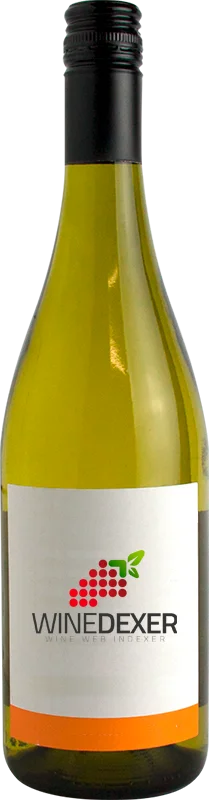
Palivou EstateViognier Barrel Fermented
 White wine



This wine generally goes well with pork, poultry or game (deer, venison).

Wine flavors and olphactive analysis





On the nose the Viognier Barrel Fermented of Palivou Estate in the region of Peloponnesos often reveals types of flavors of non oak, earth or microbio and sometimes also flavors of oak, tree fruit or spices.
Food and wine pairings with Viognier Barrel Fermented
Pairings that work perfectly with Viognier Barrel Fermented



Original food and wine pairings with Viognier Barrel Fermented



The Viognier Barrel Fermented of Palivou Estate matches generally quite well with dishes of pork, game (deer, venison) or shellfish such as recipes of potato and bacon omelette, rabbit and mushroom gibelotte or pasta with vongoles (flat clams).
Details and technical informations about Palivou Estate's Viognier Barrel Fermented.
Discover the grape variety: Viognier
Opulent, heady whites, rich and silky, with intense aromas of apricot, yellow peach, mango, violet, honeysuckle and musky, honeyed notes. Discreet acidity, creamy finish. Star of Condrieu AOC and Château-Grillet AOC, co-vinified in Côte-Rôtie with Syrah (up to 20%). Widely exported to California (Central Coast), Australia (Eden Valley) and Languedoc. A Rhône variety.
Last vintages of this wine
The best vintages of Viognier Barrel Fermented from Palivou Estate are 2018, 2019, 0, 2016 and 2017.
Informations about the Palivou Estate
The Palivou Estate is one of of the world's great estates. It offers 23 wines for sale in the of Peloponnesos to come and discover on site or to buy online.

The wine region of Peloponnesos
Southern Greece, the country's 2nd region by volume, high-altitude vineyards (200-900 m). Signature Agiorgitiko at Nemea ("Hercules' Blood"): deep ruby reds with signature notes of black cherry, plum, blackberry, sweet spices and a balsamic touch, supple tannins and a velvety palate — fleshy and accessible. At Mantinia (600 m), pink-skinned Moschofilero gives aromatic whites (rose, citrus, white flowers). Sweet fortified Mavrodaphne, fresh Roditis.
The word of the wine: Residual sugars
Sugars not transformed into alcohol and naturally present in the wine. The perception of residual sugars is conditioned by the acidity of the wine. The more acidic the wine is, the less sweet it will seem, given the same amount of sugar.


