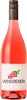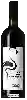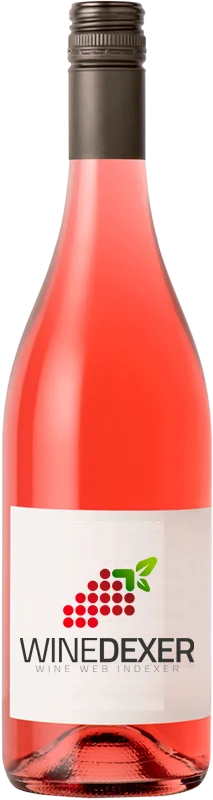
Winery PalaSilenzi Rosè
 Pink wine



This wine generally goes well with pork, poultry or beef.

Food and wine pairings with Silenzi Rosè
Pairings that work perfectly with Silenzi Rosè



Original food and wine pairings with Silenzi Rosè



The Silenzi Rosè of Winery Pala matches generally quite well with dishes of beef, veal or pork such as recipes of roast beef with pepper, beef colombo bourguignon style or traditional flemish carbonades.
Details and technical informations about Winery Pala's Silenzi Rosè.
Discover the grape variety: Sangiovese
Firm, upright reds with precise acidity and angular tannins, showing aromas of sour cherry, plum, dried herbs, leather, black tea and balsamic notes. Characteristically bitter, savoury finish. Star of Chianti Classico DOCG, Brunello di Montalcino DOCG, Vino Nobile di Montepulciano DOCG and Morellino di Scansano. Italy's most planted variety, a descendant of Ciliegiolo × Calabrese di Montenuovo.
Last vintages of this wine
The best vintages of Silenzi Rosè from Winery Pala are 0, 2015
Informations about the Winery Pala
The Winery Pala is one of of the world's great estates. It offers 33 wines for sale in the of Isola dei Nuraghi to come and discover on site or to buy online.

The wine region of Isola dei Nuraghi
Main Sardinian IGT named after ancient nuraghic towers, contemporary expression of the island. Signature Cannonau (Grenache) in solar red with notes of ripe cherry, garrigue, myrtle, sweet spices and a balsamic touch, round tannins and warm palate. Native Carignano brings roundness and elegance, dense Bovale, rare Cagnulari. Pioneer: Argiolas family (cult Turriga).
The wine region of Sardinia
Italian Mediterranean wine island with 250+ varieties, strong native identity. Signature Cannonau (Grenache) in red: warm and deep with signature ripe cherry, garrigue, myrtle, spice and a balsamic touch, round tannins and a sun-drenched palate. Vermentino di Gallura DOCG star white (80% of Italian Vermentino): fresh and saline (citrus, pear, almond, sea iodine). Also dense Carignan, supple Monica, lively Nuragus, rare oxidative Vernaccia di Oristano.
The word of the wine: Tartar (deposit)
White, chalky deposits that occur as a result of precipitation inside bottles and are often considered by consumers as a defect. They are in fact tartaric salts formed by tartaric acid, potassium and calcium naturally present in the wine. This deposit does not alter the quality of the wine and can be eliminated by a simple decanting.