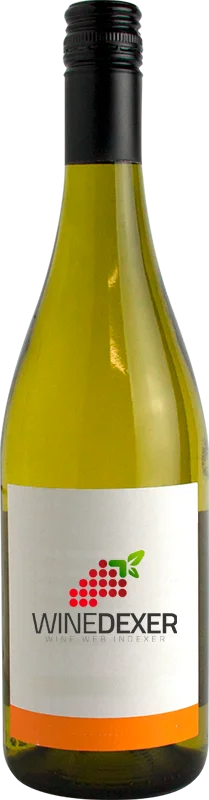
Winery OstorosborPrémium Válogatás Csipke Feher
 White wine


This wine generally goes well with vegetarian, rich fish (salmon, tuna etc) or shellfish.

Food and wine pairings with Prémium Válogatás Csipke Feher
Pairings that work perfectly with Prémium Válogatás Csipke Feher



Original food and wine pairings with Prémium Válogatás Csipke Feher
The Prémium Válogatás Csipke Feher of Winery Ostorosbor matches generally quite well with dishes of rich fish (salmon, tuna etc), shellfish or vegetarian such as recipes of salmon pavés en papillote, shrimps with curry and coconut milk or quiche with bacon and gruyère cheese.
Details and technical informations about Winery Ostorosbor's Prémium Válogatás Csipke Feher.
Discover the grape variety: Esganinho
Nervous, lively whites best drunk young, with a pale golden robe, an airy, low-alcohol palate with preserved acidity, and signature aromas of citrus (lemon, citron), green apple, and vivid herbaceous notes. Often blended to bring freshness to Douro DOC whites and Portuguese sparkling wines. A Portuguese white variety from the Douro and Vinho Verde, whose name evokes its characteristically pronounced acidity.
Last vintages of this wine
The best vintages of Prémium Válogatás Csipke Feher from Winery Ostorosbor are 2014, 0
Informations about the Winery Ostorosbor
The Winery Ostorosbor is one of of the world's great estates. It offers 62 wines for sale in the of Eger to come and discover on site or to buy online.

The wine region of Eger
Emblematic Hungarian region in the north, home of the legendary Egri Bikavér ("Bull's Blood"). A blend of fleshy, spicy reds with signature notes of black cherry, ripe plum, paprika, sweet spices and tobacco, round tannins. Mandatory base of Kékfrankos (Blaufränkisch), blended with fruity Kadarka, peppery Cabernet Franc and supple Merlot. Also Egri Csillag in white ("Star of Eger"), fresh and aromatic.
The word of the wine: Rootstock
American vine on which a French vine is grafted. This is the consequence of the phylloxera that destroyed the vineyard at the end of the 19th century: after much trial and error, it was discovered that the "pest" spared the roots of the American vines, and the technique became widespread.