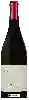
Winery NSCRMaury Doux Naturel
 Natural sweet wine


This wine generally goes well with

Wine flavors and olphactive analysis

On the nose the Maury Doux Naturel of Winery NSCR in the region of Languedoc-Roussillon often reveals types of flavors of plum, chocolate or oak and sometimes also flavors of black fruit.
Details and technical informations about Winery NSCR's Maury Doux Naturel.
Discover the grape variety: Guarnaccia
Supple, fruity reds to drink young, with a clear ruby robe, soft tannins and an airy palate on red fruit (cherry, strawberry), gentle spices and Mediterranean notes. Accessible island profile. Part of the Ischia Rosso DOC identity, grown confidentially on the island. Black Italian variety grown in Campania, mainly on the island of Ischia in the Gulf of Naples.
Last vintages of this wine

The best vintages of Maury Doux Naturel from Winery NSCR are 1939, 2013, 2011, 1929 and 2009.
Informations about the Winery NSCR
The Winery NSCR is one of of the world's greatest estates. It offers 47 wines for sale in the of Maury to come and discover on site or to buy online.

The wine region of Maury
Roussillon AOC specialising in fortified vins doux naturels (spirit-fortified), Agly valley on black schist. Signature Grenache Noir (75% min): powerful, sun-drenched sweet reds with notes of candied black cherry, blackberry, kirsch, cocoa, coffee, garrigue, dried fig and a balsamic touch, unctuous palate and long finish — from young fruity Grenat to oxidative rancio Tuilé. Also dense Maury Sec red. Perfect pairing with chocolate desserts.
The wine region of Languedoc-Roussillon
Largest single French vineyard, dominated by sunny, generous reds. Spicy Syrah, candied Grenache (ripe fruit, garrigue), structured Carignan, deep Mourvèdre, supple Cinsault. Stars: structured Corbières, Minervois, Faugères, Saint-Chinian; round Côtes-du-Roussillon. Legendary vins doux naturels: Banyuls and Maury (fortified Grenache) with notes of cocoa, fig, prune.
The word of the wine: Flavours
There are generally four so-called fundamental flavours: acidity, bitterness, sweetness and saltiness. The first three are considered to be the building blocks of the structure of wines. They are perceived by the taste buds that cover the surface of the tongue.