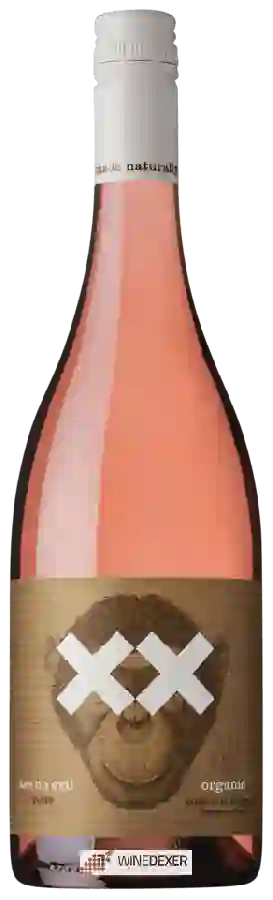
Winery No EvilSee No Evil Rosé
 Pink wine



This wine generally goes well with beef, lamb or mature and hard cheese.
Wine flavors and olphactive analysis


On the nose the See No Evil Rosé of Winery No Evil in the region of Australie du Sud often reveals types of flavors of microbio, tree fruit or citrus fruit and sometimes also flavors of red fruit.
Food and wine pairings with See No Evil Rosé
Pairings that work perfectly with See No Evil Rosé



Original food and wine pairings with See No Evil Rosé

The See No Evil Rosé of Winery No Evil matches generally quite well with dishes of beef, lamb or spicy food such as recipes of polish goulash, shish kebab or chicken curry (like in reunion island).
Details and technical informations about Winery No Evil's See No Evil Rosé.
Discover the grape variety: Ruby-cabernet
Intraspecific crossing carried out in 1936 by Doctor Harold Paul Olmo of the University of California in Davis (United States) between the carignan and the cabernet-sauvignon. The first plantings were made in 1948 in the United States (California). Today, it is less and less multiplied, but it can still be found in South Africa, Australia, Argentina, Chile, Uruguay, Yugoslavia, the United States, etc. In France, it is almost unknown.
Last vintages of this wine
The best vintages of See No Evil Rosé from Winery No Evil are 2020, 0, 2017, 2019
Informations about the Winery No Evil
The Winery No Evil is one of of the world's greatest estates. It offers 7 wines for sale in the of Barossa to come and discover on site or to buy online.

The wine region of Barossa
World icon of Australian Shiraz (~50% of plantings). Powerful, sun-filled reds with signature notes of candied blackberry, black plum, dark chocolate, liquorice, leather and sweet spices (pepper, clove), round tannins and generous opulence. Old vines among the world's oldest (Shiraz from 1843, Turkey Flat). Also fruity, sun-filled Grenache, firm Mataro (Mourvèdre), dense Cabernet Sauvignon and ample Sémillon.
The wine region of Australie du Sud
Cradle of the great Australian Shiraz: powerful, sun-drenched reds with notes of blackberry, candied plum, pepper, chocolate and eucalyptus, ample tannins and vibrant fruit (Barossa, McLaren Vale). Firm, minty Cabernet Sauvignon on Coonawarra (terra rossa). Dry, lemony Riesling from Clare and Eden Valley, straight and taut. Fresh Sauvignon and Chardonnay from Adelaide Hills.
The word of the wine: Lies
A deposit formed by dead yeast after fermentation. Some white wines are aged on their lees, which makes their aromas and structure more complex and richer.