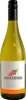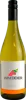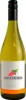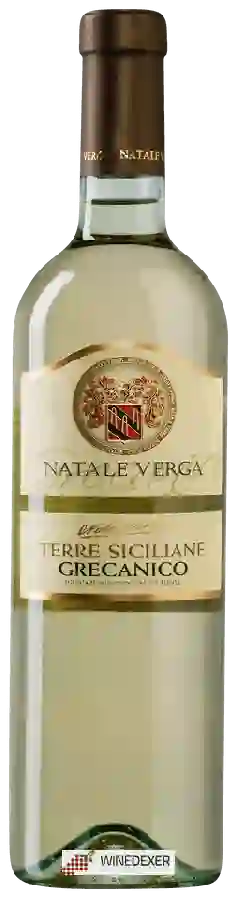
Winery Natale VergaGrecanico
 White wine


In the mouth this white wine is a with a nice freshness.
This wine generally goes well with vegetarian, appetizers and snacks or lean fish.
Taste structure of the Grecanico from the Winery Natale Verga
Light | Bold | |
Dry | Sweet | |
Soft | Acidic |
In the mouth the Grecanico of Winery Natale Verga in the region of Sicily is a with a nice freshness.
Wine flavors and olphactive analysis



On the nose the Grecanico of Winery Natale Verga in the region of Sicily often reveals types of flavors of microbio, oak.
Food and wine pairings with Grecanico
Pairings that work perfectly with Grecanico



Original food and wine pairings with Grecanico


The Grecanico of Winery Natale Verga matches generally quite well with dishes of pasta, vegetarian or appetizers and snacks such as recipes of lasagne, mushroom, bacon and gruyere quiche or pastels (senegalese stuffed fritters).
Details and technical informations about Winery Natale Verga's Grecanico.
Discover the grape variety: Bargine
This grape variety was formerly cultivated in the Jura and is said to have made the reputation of the Château-Châlon appellation. Today, it is no longer present in the vineyard.
Last vintages of this wine
The best vintages of Grecanico from Winery Natale Verga are 2015, 2016, 0
Informations about the Winery Natale Verga
The Winery Natale Verga is one of of the world's great estates. It offers 75 wines for sale in the of Sicily to come and discover on site or to buy online.

The wine region of Sicily
Sicily is the Southernmost region of Italy, and the largest island in the Mediterranean Sea. For over 2500 years, Sicily (Sicilia in Italian) has been an important centre of Mediterranean viticulture, although the reputation and style of its wines have changed considerably over time. The island was once best known for its Sweet muscatels (see Pantelleria), and later for its fortified Marsala. Today, many of its best-known wines are Dry table wines produced under the regional designation IGT Terre Siciliane, or Sicilia DOC (see below).
The word of the wine: Deposit
Solid particles that can naturally coat the bottom of a bottle of wine. It is rather a guarantee that the wine has not been mistreated: in fact, to avoid the natural deposit, rather violent processes of filtration or cold passage (- 7 or - 8 °C) are used in order to precipitate the tartar (the small white crystals that some people confuse with crystallized sugar: just taste to dissuade you from it)