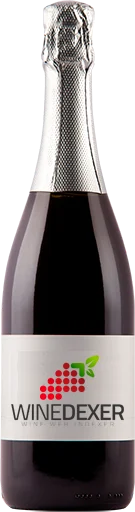
Winery NarkoojeeCuvée Robert Fordham Sparkling Shiraz
 Sparkling wine
This wine generally goes well with beef, lamb or mature and hard cheese.
Food and wine pairings with Cuvée Robert Fordham Sparkling Shiraz
Pairings that work perfectly with Cuvée Robert Fordham Sparkling Shiraz



Original food and wine pairings with Cuvée Robert Fordham Sparkling Shiraz

The Cuvée Robert Fordham Sparkling Shiraz of Winery Narkoojee matches generally quite well with dishes of beef, lamb or spicy food such as recipes of meat and goat pie, lamb with coconut milk or chicken tagine with lemon confit (marrakech style).
Details and technical informations about Winery Narkoojee's Cuvée Robert Fordham Sparkling Shiraz.
Discover the grape variety: Vilana
A very old grape variety grown in Greece - one of the main ones - most often at high altitude, it is said to have originated on the island of Crete. It can also be found in Italy, but is practically unknown in France. D.N.A. analyses have shown that it is related to Thrapsthiri and Vidiano.
Informations about the Winery Narkoojee
The Winery Narkoojee is one of of the world's great estates. It offers 26 wines for sale in the of Victoria to come and discover on site or to buy online.

The wine region of Victoria
Victoria is a relatively small but important Australian wine state. Located in the Southeastern corner of the continent, with a generally cool, ocean-influenced Climate, Victorian wine is remarkably diverse, producing all sorts of wines and styles in different climates. In all, the state covers almost 250,000 square kilometres (over 90,000 square miles) of land (almost the same Size as the US state of Texas), well under a quarter the size of its western neighbour, South Australia, and less than a third the size of New South Wales to the North. As such, Victoria's size - and to some extent, the state's viticultural history - can defy generalization.
The word of the wine: Vineyard
Said of a wine with a certain alcoholic richness and clearly showing the characteristics that distinguish wine from other alcoholic beverages.