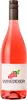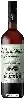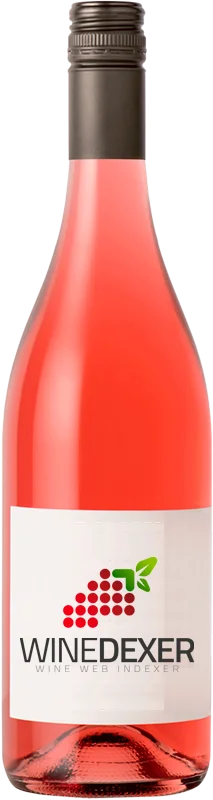
Winery NaranjuezRosa del Desierto
 Pink wine


This wine generally goes well with pork, poultry or veal.

Wine flavors and olphactive analysis

On the nose the Rosa del Desierto of Winery Naranjuez in the region of Andalousie often reveals types of flavors of earth, red fruit or black fruit.
Food and wine pairings with Rosa del Desierto
Pairings that work perfectly with Rosa del Desierto



Original food and wine pairings with Rosa del Desierto


The Rosa del Desierto of Winery Naranjuez matches generally quite well with dishes of veal, pork or game (deer, venison) such as recipes of sot- l- leaves, rabbit with cider and mushrooms or whole duck casserole with white wine.
Details and technical informations about Winery Naranjuez's Rosa del Desierto.
Discover the grape variety: Pinot noir
Elegant reds, light in colour with silky tannins, showing strawberry, cherry and raspberry aromas, evolving to forest floor, mushroom and spice with age. Fresh acidity, delicate finish. Star of the Côte d'Or (Romanée-Conti, Chambertin, Volnay), pillar of Champagne (Blanc de Noirs) and signature of Oregon, Central Otago and Sonoma Coast. An early-ripening Burgundian variety, one of the world's greatest.
Last vintages of this wine
The best vintages of Rosa del Desierto from Winery Naranjuez are 0, 2017
Informations about the Winery Naranjuez
The Winery Naranjuez is one of of the world's greatest estates. It offers 10 wines for sale in the of Andalousie to come and discover on site or to buy online.

The wine region of Andalousie
Dry, sun-baked southern Spain, world cradle of fortified and oxidative wines. Sherry from Jerez is the signature: Palomino Fino under a veil of flor yields lively, saline Fino with signature notes of almond, yeast, green apple and a sharp iodine edge; more maritime Manzanilla (Sanlúcar); unveiled Oloroso in grand oxidation (walnut, caramel, tobacco). Pedro Ximénez from Montilla-Moriles: intense dark sweet (fig, raisin, coffee, molasses). Also muscat Málaga.
The word of the wine: Tressallier
White grape variety from the Allier region, identical to the Sacy variety grown in Burgundy. Rarely vinified on its own, it is used in the blending of Saint-Pourçain white wines, associated with chardonnay, the main grape variety of the appellation. Syn.: sacy.