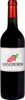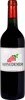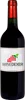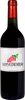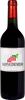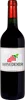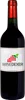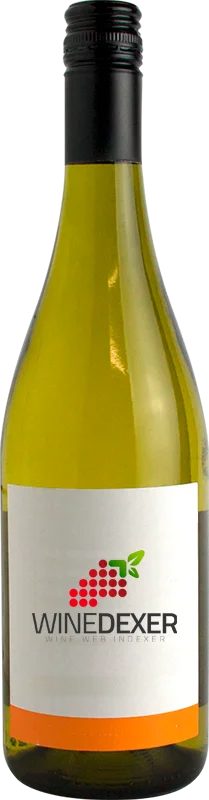
Winery MyslikSilvánske Červené
 White wine



This wine generally goes well with poultry, lean fish or shellfish.
Food and wine pairings with Silvánske Červené
Pairings that work perfectly with Silvánske Červené



Original food and wine pairings with Silvánske Červené

The Silvánske Červené of Winery Myslik matches generally quite well with dishes of shellfish, spicy food or poultry such as recipes of shrimp with cream and fettuccine, curried veal roulades or chicken liver cake.
Details and technical informations about Winery Myslik's Silvánske Červené.
Discover the grape variety: Ohanès
This variety is known in Spain, Portugal, Italy, Greece, Morocco, South Africa, the United States (California), Argentina, Chile, etc. In France, it is little cultivated because of its late maturity. - Synonyms: oanez or ohanez, uva de Almeria, uva del barco, santa paula, not to be confused with the white gherkin, khaen, grumer negro, valenci or valensi, which is not related to the black valensi (for all the synonyms of the grape varieties, click here!)
Last vintages of this wine
The best vintages of Silvánske Červené from Winery Myslik are 0
Informations about the Winery Myslik
The Winery Myslik is one of of the world's greatest estates. It offers 18 wines for sale in the of Malokarpatská to come and discover on site or to buy online.

The wine region of Malokarpatská
The wine region of Malokarpatská of Slovak Republic. Wineries and vineyards like the Domaine Rariga or the Domaine Vladimir Valenta produce mainly wines white, red and pink. The most planted grape varieties in the region of Malokarpatská are Cabernet-Sauvignon, Riesling and Gewurztraminer, they are then used in wines in blends or as a single variety. On the nose of Malokarpatská often reveals types of flavors of tree fruit, apples or citrus fruit and sometimes also flavors of non oak, earth or microbio.
The word of the wine: Draft liquor (champagne)
After blending, the wine is bottled with a liqueur de tirage (a mixture of sugar and wine) and a yeast (selected yeasts). The yeast attacks the sugar and creates carbon dioxide. The fermentation, which lasts about two months, is prolonged by an ageing period (15 months minimum in total). The bottle is capped (some rare vintages are capped with a staple and a cork).