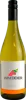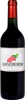
Winery MuròlaGiulia Morichelli d'Altemps
 White wine



In the mouth this white wine is a powerful with a nice freshness.
This wine generally goes well with vegetarian, appetizers and snacks or lean fish.
Taste structure of the Giulia Morichelli d'Altemps from the Winery Muròla
Light | Bold | |
Dry | Sweet | |
Soft | Acidic |
In the mouth the Giulia Morichelli d'Altemps of Winery Muròla in the region of Marche is a powerful with a nice freshness.
Food and wine pairings with Giulia Morichelli d'Altemps
Pairings that work perfectly with Giulia Morichelli d'Altemps



Original food and wine pairings with Giulia Morichelli d'Altemps


The Giulia Morichelli d'Altemps of Winery Muròla matches generally quite well with dishes of pasta, vegetarian or appetizers and snacks such as recipes of meat and cheese pie, summer tuna quiche or tuna samoussa.
Details and technical informations about Winery Muròla's Giulia Morichelli d'Altemps.
Discover the grape variety: Saint Macaire
An ancient Bordeaux grape variety that was once grown in the Gironde marshes. It is related to the Manseng Noir. Today, Saint Macaire is no longer present in the vineyard and is therefore in the process of disappearing. It is registered in the Official Catalogue of wine grape varieties, list A1.
Last vintages of this wine
The best vintages of Giulia Morichelli d'Altemps from Winery Muròla are 2015, 0, 2017
Informations about the Winery Muròla
The Winery Muròla is one of of the world's great estates. It offers 40 wines for sale in the of Marche to come and discover on site or to buy online.

The wine region of Marche
Marche (or Le Marche; pronounced Mar-kay) is a region in eastern CentralItaly. It is most associated with white wines made from Trebbiano and Verdicchio grapes. Marche occupies a roughly triangular area. Its longer sides are formed by the Apennine Mountains to the west and the Adriatic Sea to the east.
The word of the wine: Overmaturation
When the grapes reach maturity, the skin becomes permeable and progressively loses water, which causes a concentration phenomenon inside the berry. This is called over-ripening or passerillage.