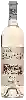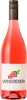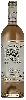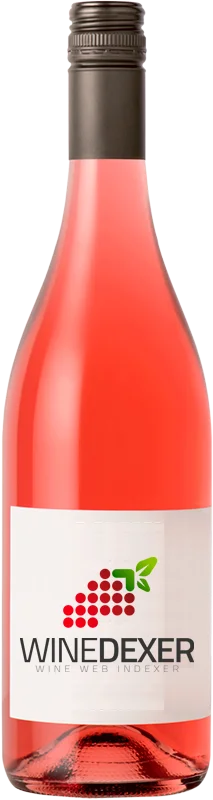
Winery Moulin de la RoqueBandol Rosé
 Pink wine



In the mouth this pink wine is a with a nice freshness.
This wine generally goes well with pork, vegetarian or poultry.
The Bandol Rosé of the Winery Moulin de la Roque is in the top 50 of wines of Bandol.

Taste structure of the Bandol Rosé from the Winery Moulin de la Roque
Light | Bold | |
Dry | Sweet | |
Soft | Acidic |
In the mouth the Bandol Rosé of Winery Moulin de la Roque in the region of Provence is a with a nice freshness.
Wine flavors and olphactive analysis



On the nose the Bandol Rosé of Winery Moulin de la Roque in the region of Provence often reveals types of flavors of cherry, oaky or minerality and sometimes also flavors of strawberries, earth or oak.
Food and wine pairings with Bandol Rosé
Pairings that work perfectly with Bandol Rosé



Original food and wine pairings with Bandol Rosé

The Bandol Rosé of Winery Moulin de la Roque matches generally quite well with dishes of pork, shellfish or vegetarian such as recipes of oven roasted rabbit that cooks itself!, shrimp with garlic and orange or quiche without eggs.
Discover the grape variety: Mourvèdre
Powerful, deep reds with firm tannins and dense texture, showing aromas of blackberry, leather, garrigue, black pepper, liquorice and animal notes (game, forest floor) with age. Star of Bandol AOC as a single variety and pillar of Châteauneuf-du-Pape, Gigondas and Costières blends. Also in GSM in Languedoc and Australia. A late-ripening variety of Spanish origin (Mataró/Monastrell).
Last vintages of this wine
The best vintages of Bandol Rosé from Winery Moulin de la Roque are 2017, 2019, 2016, 2008 and 2018.
Informations about the Winery Moulin de la Roque
The Winery Moulin de la Roque is one of of the world's greatest estates. It offers 69 wines for sale in the of Bandol to come and discover on site or to buy online.

The wine region of Bandol
Provençal jewel between Cassis and Toulon, kingdom of Mourvèdre (50-95% in red). Signature powerful reds with notes of black blackberry, garrigue, pepper, leather, truffle and a balsamic touch, firm tannins and superb ageing (10-30 years) — French benchmark for the grape. Structured, gastronomic rosés (strawberry, citrus, spices) — not a simple aperitif rosé. Rare, mineral Clairette and Bourboulenc whites.
The wine region of Provence
World capital of dry, refined rosé (~90% of production). Pale rose-petal colour, delicate nose of fresh red fruits (strawberry, raspberry, redcurrant), citrus (pink grapefruit), white flowers and a mineral touch, taut and thirst-quenching palate — the Mediterranean aperitif par excellence. Blends of Grenache, Cinsault, Syrah, Tibouren and Mourvèdre. Fleshy Bandol reds from Mourvèdre (leather, garrigue, age-worthy), straight Cassis whites.
The word of the wine: Tanin
A natural compound contained in the skin of the grape, the seed or the woody part of the bunch, the stalk. The maceration of red wines allows the extraction of tannins, which give the texture, the solidity and also the mellowness when the tannins are "ripe". The winemaker seeks above all to extract the tannins from the skin, the ripest and most noble. The tannins of the seed or stalk, which are "greener", especially in average years, give the wine hardness and astringency. The wines of Bordeaux (based on Cabernet and Merlot) are full of tannins, those of Burgundy much less so, with Pinot Noir containing little.