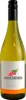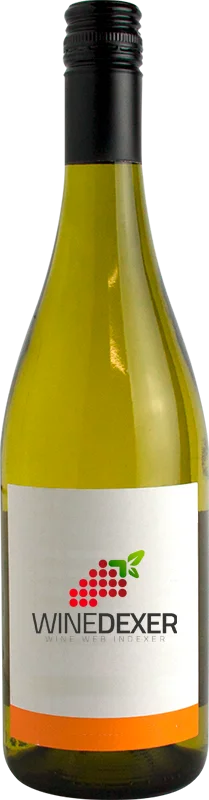
Winery MoravínoSylvánské Zelené
 White wine


This wine generally goes well with poultry, lean fish or shellfish.
Wine flavors and olphactive analysis


On the nose the Sylvánské Zelené of Winery Moravíno in the region of Morava often reveals types of flavors of tree fruit, citrus fruit.
Food and wine pairings with Sylvánské Zelené
Pairings that work perfectly with Sylvánské Zelené



Original food and wine pairings with Sylvánské Zelené


The Sylvánské Zelené of Winery Moravíno matches generally quite well with dishes of shellfish, spicy food or poultry such as recipes of quick crayfish chicken, lomo saltado or chicken and onion quiche.
Details and technical informations about Winery Moravíno's Sylvánské Zelené.
Discover the grape variety: Etraire de l'Aduï
Would be finding its first origins in the valley of Isere, one would have indeed found it in the Mas de l'Aduï in Saint Ismier. We find a certain resemblance with the Persian. Today its multiplication in nurseries is very weak, registered however with the official Catalogue of the varieties of vine list A1 under the name of Etraire de la Dui.
Last vintages of this wine
The best vintages of Sylvánské Zelené from Winery Moravíno are 2016, 0
Informations about the Winery Moravíno
The Winery Moravíno is one of of the world's great estates. It offers 34 wines for sale in the of Morava to come and discover on site or to buy online.

The wine region of Morava
Moravia, with roughly 95 percent of the nation's Vine plantings, is the engine room of the Czech Republic's wine industry. The Center of intensively farmed bulk-wine production is also showing great promise as a producer of quality white wines. This is largely thanks to its cool Climate, comparable in many ways to that in Nahe or Pfalz, the white-wine specialists a few hundred miles west in Germany. Moravian winelands enjoy a Vineyard year well suited to the production of Complex aromatics with good Acidity.
The word of the wine: Deposit
Solid particles that can naturally coat the bottom of a bottle of wine. It is rather a guarantee that the wine has not been mistreated: in fact, to avoid the natural deposit, rather violent processes of filtration or cold passage (- 7 or - 8 °C) are used in order to precipitate the tartar (the small white crystals that some people confuse with crystallized sugar: just taste to dissuade you from it)