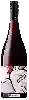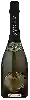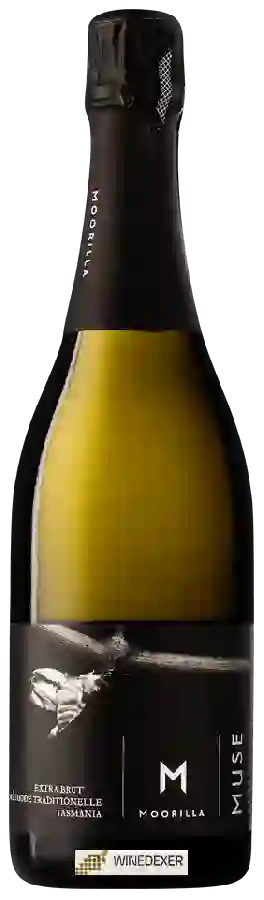
Winery MoorillaMuse Series Extra Brut
 Sparkling wine



This wine generally goes well with pork, vegetarian or poultry.

Wine flavors and olphactive analysis





On the nose the Muse Series Extra Brut of Winery Moorilla in the region of Tasmanie often reveals types of flavors of non oak, earth or microbio and sometimes also flavors of vegetal, oak or tree fruit.
Food and wine pairings with Muse Series Extra Brut
Pairings that work perfectly with Muse Series Extra Brut



Original food and wine pairings with Muse Series Extra Brut



The Muse Series Extra Brut of Winery Moorilla matches generally quite well with dishes of pork, rich fish (salmon, tuna etc) or spicy food such as recipes of quiche without eggs, summer tuna quiche or pork colombo.
Details and technical informations about Winery Moorilla's Muse Series Extra Brut.
Discover the grape variety: Riesling
Crystalline, taut whites with vibrant acidity and aromas of citrus, green apple, white flowers, vineyard peach and mineral/petrol notes with age. Made as dry (Trocken, Alsace), off-dry (Kabinett, Spätlese) and sweet (Auslese, Beerenauslese, Trockenbeerenauslese, late harvest). Star of the Moselle, Rheingau, Alsace AOC and Wachau. Also exported to Clare Valley and Finger Lakes.
Last vintages of this wine
The best vintages of Muse Series Extra Brut from Winery Moorilla are 2014, 2013, 2012, 0 and 2010.
Informations about the Winery Moorilla
The Winery Moorilla is one of of the world's greatest estates. It offers 32 wines for sale in the of Tasmanie to come and discover on site or to buy online.

The wine region of Tasmanie
Cool austral island south of Australia, a cool-climate benchmark. Signature Pinot Noir: fine, fresh reds with notes of red cherry, raspberry, wild strawberry and spices, delicate tannins and taut acidity — often compared to Burgundy. Precise, mineral Chardonnay (lemon, brioche), vibrant dry Riesling. Renowned speciality: refined traditional-method sparklers, among the best outside France.
The word of the wine: Oxidative (breeding)
A method of ageing which aims to give the wine certain aromas of evolution (dried fruit, bitter orange, coffee, rancio, etc.) by exposing it to the air; it is then matured either in barrels, demi-muids or unoaked casks, sometimes stored in the open air, or in barrels exposed to the sun and to temperature variations. This type of maturation characterizes certain natural sweet wines, ports and other liqueur wines.