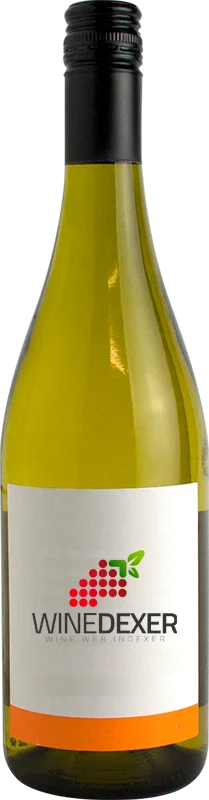
Winery MontèzesMuscat Petits Grains
 White wine
This wine generally goes well with beef, veal or pasta.

Food and wine pairings with Muscat Petits Grains
Pairings that work perfectly with Muscat Petits Grains



Original food and wine pairings with Muscat Petits Grains
The Muscat Petits Grains of Winery Montèzes matches generally quite well with dishes of beef, pasta or veal such as recipes of pot roast, pasta with porcini mushrooms or sauté of veal with carrots.
Details and technical informations about Winery Montèzes's Muscat Petits Grains.
Discover the grape variety: Saint Laurent
Structured and elegant reds with a deep ruby colour, fine tannins and an ample palate with preserved acidity, featuring signature aromas of red fruits (cherry, morello cherry), sweet spices and floral notes, a profile often compared to Pinot Noir. Also in age-worthy versions. Star of the great reds from Austrian Burgenland (Sankt Laurent). Autochthonous Austrian black grape, genetically related to Pinot Noir, grown in Austria and the Czech Republic.
Informations about the Winery Montèzes
The Winery Montèzes is one of of the world's greatest estates. It offers 4 wines for sale in the of Hérault to come and discover on site or to buy online.

The wine region of Hérault
Vast Languedoc IGP between the Cévennes and the Étang de Thau: Syrah, Grenache and Mourvèdre signatures in powerful, fruity reds with black fruit (blackberry, blackcurrant), garrigue, Mediterranean spices and a peppery touch, coated tannins. Cabernet, Merlot, Cinsault and Carignan complement. Grenache Blanc, Macabeu and Terret in accessible whites, plus aromatic Sauvignon, Chardonnay, Viognier. Fresh rosés.
The wine region of Pays d'Oc
The single-grape IGP par excellence: modern, accessible, frank and fruity wines, the popular signature of the Midi. Spicy Syrah reds (pepper, blackberry), round Merlot, structured Cabernet, generous Grenache, supple Cinsault. Crisp, tangy rosés. Opulent Chardonnay whites, lively Sauvignon, floral, apricoty Viognier.
The word of the wine: INAO glass
Glass adapted to wine tasting, created in the 1970s by the Institut national des appellations d'origine. At the time, it had the advantage of offering a standardised tool to all tasters. It is characterized by a wide base that allows for good ventilation and a narrow mouth (opening of the glass) to concentrate the aromas. Many high-performance glasses have been created based on this model.