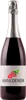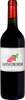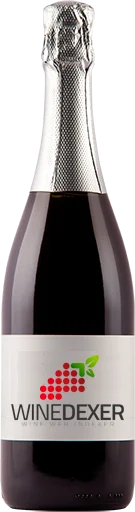
Winery Monte Garuшампанское Белое Брют
 Sparkling wine


This wine generally goes well with appetizers and snacks, lean fish or shellfish.
The шампанское Белое Брют of the Winery Monte Garu is in the top 20 of wines of Dagestan.
Food and wine pairings with шампанское Белое Брют
Pairings that work perfectly with шампанское Белое Брют



Original food and wine pairings with шампанское Белое Брют

The шампанское Белое Брют of Winery Monte Garu matches generally quite well with dishes of shellfish, appetizers and snacks or lean fish such as recipes of linguine with squid ink and cockles, boquerones anchovies in vinegar or whiting fillet in papillotes.
Details and technical informations about Winery Monte Garu's шампанское Белое Брют.
Discover the grape variety: Muscat reine des vignes
Obtained in Hungary in 1916 by Jean (Janos) Mathiasz by crossing the Beirut date tree with the Csaba pearl. This variety is nowadays very little multiplied, but it is registered in the Official Catalogue of table grape varieties list A1.
Last vintages of this wine
The best vintages of шампанское Белое Брют from Winery Monte Garu are 0, 2014
Informations about the Winery Monte Garu
The Winery Monte Garu is one of of the world's greatest estates. It offers 5 wines for sale in the of Dagestan to come and discover on site or to buy online.

The wine region of Dagestan
The wine region of Dagestan of Russia. Wineries and vineyards like the Domaine Derbent Wine Company or the Domaine Derbent Wine Company produce mainly wines sparkling, red and white. The most planted grape varieties in the region of Dagestan are Cabernet-Sauvignon, Riesling and Chardonnay, they are then used in wines in blends or as a single variety. On the nose of Dagestan often reveals types of flavors of earth, microbio or tree fruit.
The word of the wine: OIV
International Organisation of Vine and Wine. Intergovernmental organization studying the technical, scientific or economic questions raised by the culture of the vine and the production of wine.